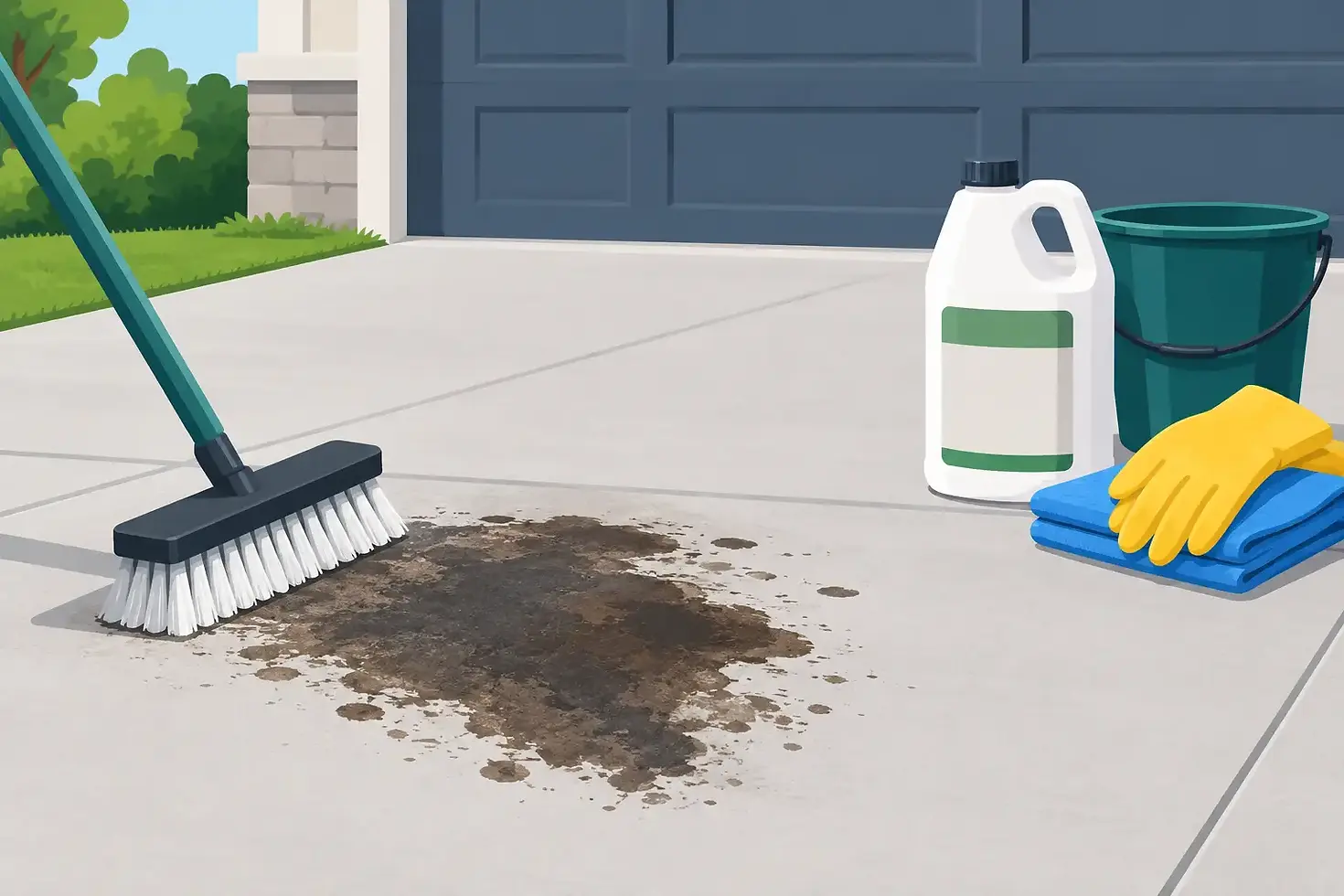
How to Remove Oil From Driveway Concrete Safely
A fresh oil spot can make an otherwise well-kept driveway look neglected overnight. The good news is that you can often remove oil from driveway surfaces successfully when you act promptly, use the right cleaning method, and respect the material beneath the stain. The wrong approach, especially aggressive pressure or harsh chemicals, can spread the oil, etch concrete, or weaken asphalt.
For homeowners in Hamilton and across New Jersey, timing matters. Summer heat can bake oil into porous concrete, while winter moisture can carry residue farther across the surface. Treating the stain carefully protects both curb appeal and the long-term condition of the driveway.
Start by Identifying Your Driveway Surface
Concrete and asphalt do not respond to oil removal in the same way. Concrete is porous but hard, so it can usually tolerate a targeted degreaser, absorbent material, and controlled rinsing. Asphalt contains petroleum-based binders, which means strong solvents and heavy degreasers may soften or discolor it.
A sealed concrete driveway is another case entirely. If the sealer is intact, oil may remain closer to the surface and lift more easily. But abrasive scrubbing or a caustic cleaner can dull the finish or leave a visibly lighter patch. Before applying any cleaner, test it in a small, less noticeable area and follow the product directions closely.
The age of the spill also changes the job. Fresh oil is mostly a cleanup problem. An old black stain that has sat through seasons may require repeated treatment, and even then it can leave a faint shadow in the concrete. A realistic goal is to remove the oil and greatly improve the appearance without damaging the driveway in pursuit of a perfectly uniform color.
How to Remove Oil From Driveway Surfaces Step by Step
Begin with a dry surface. Do not hose down the spot first. Water can carry oil into surrounding pores and make it harder for an absorbent material to do its work.
Cover a fresh spill generously with an absorbent such as clay-based cat litter, oil-dry granules, baking soda, or a commercial oil absorbent. Grind the material gently into the stain with the sole of an old shoe, then leave it in place for several hours or overnight. The longer it has to draw up the oil, the better. Sweep it up carefully and dispose of the oily material according to local waste guidance.
Once the excess oil is gone, apply a driveway-safe degreaser or a detergent made for concrete stains. Use a stiff nylon brush to work the cleaner into the affected area. Avoid wire brushes, which can scar concrete, leave metal marks, and make a repaired area more noticeable than the original stain.
Let the cleaner dwell for the time specified on the label, keeping it from drying out if the instructions call for a wet surface. Then rinse with a controlled stream of water. A garden hose with a spray nozzle is often sufficient for a small spot. Direct runoff away from planting beds, storm drains, and the street. Oil and cleaning chemicals should not be washed into the drainage system.
If a dark spot remains, repeat the absorbent and degreasing process. Old stains commonly need two or three careful applications. Patience is usually safer and more effective than using a stronger chemical immediately.
When a Poultice Is the Better Choice
Deep, older stains on unsealed concrete sometimes need more than surface scrubbing. A poultice treatment draws oil upward from the concrete pores rather than simply cleaning the top layer.
Commercial poultice products are available, or a concrete-safe oil stain remover may be designed to dry into a powder that can be swept away. These products generally stay on the driveway longer than a liquid degreaser, giving them time to pull embedded oil out. They are particularly helpful on driveways where a vehicle has leaked slowly in the same location for months.
Follow the product instructions exactly, especially regarding dwell time and rinsing. Do not assume that more product or a longer wait will produce a better result. Some cleaners can lighten concrete if left too long, and a patchy driveway is difficult to correct.
Use a Pressure Washer With Restraint
Pressure washing can improve a driveway after the oil has been absorbed and treated, but it is not a first step for a fresh spill. High-pressure water can force oil deeper into porous concrete or push it over a wider area. It can also send contaminated runoff toward landscaping and drains.
For concrete, use a broad fan tip and keep the wand moving at a consistent distance. Never concentrate the stream in one place to chase a stain. That practice can create visible lines, roughen the surface, or expose aggregate. A surface cleaner can produce a more even appearance on a larger driveway, though it should still be used only after the oil has been properly treated.
Use extra caution on asphalt. High pressure can strip loose aggregate, damage weak areas, and disturb the surface binder. For asphalt, absorbent material and a mild, asphalt-compatible cleaner are generally the better starting point. If the driveway is already cracked, soft, or heavily weathered, professional advice is worthwhile before applying any strong cleaning method.
Household Remedies: What Helps and What Can Hurt
Dish soap can help with a very small, fresh spot when used after an absorbent has lifted most of the oil. Choose a concentrated grease-cutting soap, scrub lightly, and rinse thoroughly. It is a reasonable first response, not a cure for a deep stain.
Baking soda is also useful as a mild absorbent and scrubbing aid. It is less likely to harm nearby plants than aggressive chemical products, though runoff should still be contained. Cat litter can work well when it is clay-based and unscented, but it must be swept up before it becomes wet and muddy.
Avoid gasoline, kerosene, brake cleaner, paint thinner, and other solvents. They may appear to dissolve the oil, but they create a larger contamination problem, present a fire hazard, and can damage both asphalt and surrounding soil. Bleach is not an oil remover either. It may brighten concrete while leaving the oil behind, often resulting in an uneven, blotchy appearance.
Protect Nearby Surfaces and Landscaping
An oil stain is rarely isolated from the rest of the property. Driveways often meet garage floors, walkways, lawn edges, mulch beds, and painted trim. Before cleaning, move vehicles and outdoor items away from the area. Cover sensitive plants if splashing is likely, and pre-wet nearby landscaping with clean water so it is less likely to absorb cleaner residue.
Work in manageable sections and keep runoff under control. This is particularly important on sloped driveways, where a cleaner can travel quickly toward the sidewalk or street. If the stain is close to a garage door, avoid flooding the threshold. Water carrying oil and degreaser can enter the garage or leave a residue on the floor.
After cleaning, allow the driveway to dry fully before deciding whether another treatment is necessary. Wet concrete naturally looks darker, which can hide or exaggerate remaining discoloration. Check it again the next day in normal daylight.
When It Is Time to Call a Professional
A single fresh drip is often manageable for a homeowner. The situation changes when there are large pooled areas, years of buildup, a commercial-sized leak, or repeated staining from a vehicle that has not been repaired. The same is true when the driveway has delicate decorative concrete, an aging sealer, or asphalt that is beginning to fail.
Professional exterior cleaning is not simply about using more pressure. Experienced care means matching the cleaner, dwell time, agitation, water flow, and rinsing method to the surface. That attention protects the finish while improving the overall appearance of the property. Deck Wrangler Power Washing and Painting Co. brings 33 years of hands-on surface-care experience to projects where appearance and preservation both matter.
Once the stain is addressed, place a drip pan beneath a known leak until the vehicle can be repaired. Consider resealing sound concrete when appropriate, since a quality sealer can slow future oil penetration. A few minutes of prompt attention after a drip can save a great deal of restoration work later - and help your driveway continue to complement the home rather than distract from it.


Comments