
Does Sealing Protect Your Deck From New Jersey Weather?
A Hamilton deck can look sound in early spring, then show peeling finish, raised grain, and dark moisture marks after one long New Jersey summer and winter. So, does sealing protect your deck? Yes, when the wood is properly cleaned, prepared, and treated with the right product. A sealer is not a permanent shield, but it is one of the most effective ways to slow the weathering that steals a deck's color, comfort, and service life.
Does Sealing Protect a Deck?
Wood is naturally absorbent. Rain, snow, morning dew, and humidity can move into unprotected boards, causing them to swell and contract as conditions change. Over time, that repeated movement can contribute to splitting, cupping, cracking, and a rough surface that catches bare feet, furniture legs, and debris.
A quality deck sealer reduces how readily water enters the wood. That matters because moisture is often the first step toward larger problems, including mildew staining, surface deterioration, and decay in areas that stay damp. Sealing also helps limit the drying effects of direct sun, especially when the product contains UV protection or pigment.
The key word is "helps." Sealer cannot repair rotten boards, correct loose fasteners, or stop water from collecting where deck framing has poor drainage. It is protective maintenance, not a substitute for needed repairs. Applied at the right time, however, it gives sound wood a far better chance of standing up to the seasons.
What a Sealer Can and Cannot Do
The benefits of sealing are easy to see after a hard rain. Water should bead or shed from a well-protected deck instead of soaking quickly into the surface. That reduced absorption helps the boards remain more stable and makes routine cleanup easier.
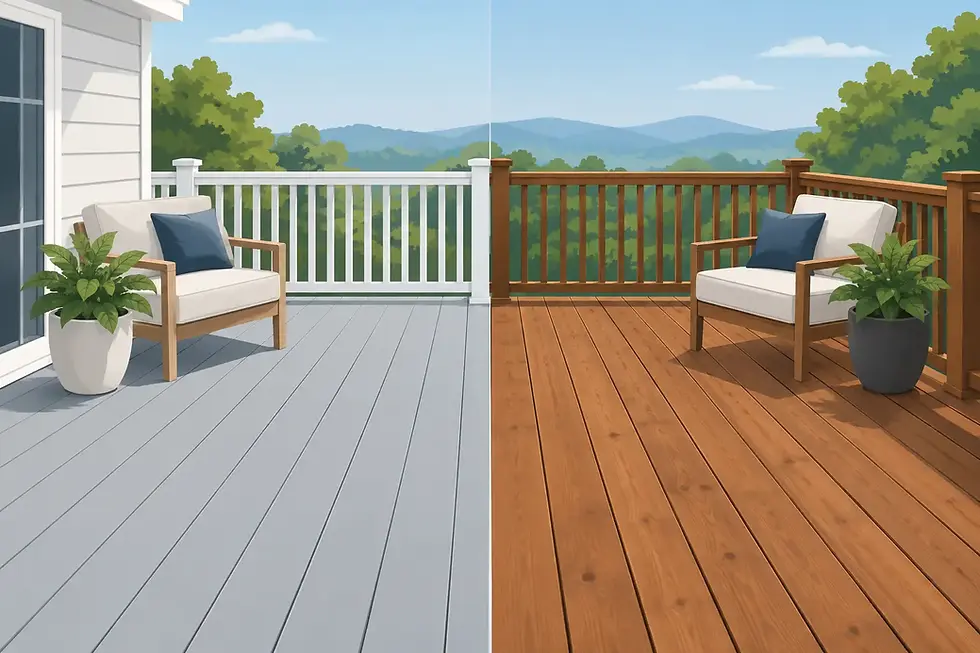
A good protective treatment can also preserve a more even appearance. Clear sealers provide water resistance but offer limited defense against ultraviolet exposure. Semi-transparent stains and tinted sealers add color while typically offering stronger protection from fading and graying. Solid stains behave more like a coating, concealing more of the grain while protecting the surface.
No finish lasts forever. Foot traffic wears down walking paths, rail tops receive full sun, and areas beneath planters or outdoor rugs can trap moisture. Even the finest product will fail early if it is applied over dirt, old loose coating, mildew, or damp wood. The lasting result comes from the condition of the surface underneath the sealer.
Preparation Is Where Protection Begins
A deck should never be sealed simply because it looks dry or faded. First, it needs a close inspection. Soft spots, damaged boards, popped fasteners, and failing rail components should be addressed before any finish goes on. Covering those concerns only hides them temporarily.
Next comes careful cleaning. Pollen, algae, mold, ground-in dirt, and remnants of old finishes interfere with adhesion and can leave blotchy results. This is where experience matters. Excessive pressure can fur up wood fibers, cut grooves into softer boards, and damage the very surface a homeowner is trying to preserve. The right cleaning approach depends on the wood species, its age, the existing finish, and the amount of buildup present.
After cleaning, the deck must dry thoroughly. Sealing damp lumber can trap moisture and lead to poor penetration, premature peeling, or an uneven color. Weather forecasts, shade, airflow, and the condition of the boards all influence the proper timing. This step cannot be rushed just to meet a weekend schedule.
The Water-Bead Test Has Limits
Homeowners often test a deck by sprinkling water on it. If the water darkens the wood immediately, the deck may be ready for maintenance. If it beads up, some protection may remain.
That test is useful, but it is not a complete diagnosis. A deck can shed water in one area and absorb it in high-traffic spots. It can also have a finish that repels water while beginning to fade, flake, or lose adhesion. A full surface review gives a clearer picture than one splash test.
Choosing the Right Protection for the Surface
The right sealer depends on what the deck is made of and how the family uses it. Natural wood, pressure-treated lumber, cedar, and hardwoods do not all accept products in the same way. A product that looks excellent on one deck may not be the best choice for another.
For a wood deck with attractive grain, a penetrating semi-transparent stain often provides a balanced result. It adds color, offers moisture protection, and allows the character of the wood to remain visible. For older decks with uneven coloration or previous solid finishes, a solid stain may provide a more uniform appearance. Clear sealers suit homeowners who want minimal color change, but they generally require more frequent attention in sunny locations.
Composite decking is different. It does not need traditional wood sealer, though it still benefits from regular cleaning and attention to manufacturer-approved care methods. Applying the wrong coating to composite boards can create adhesion issues and make future maintenance more difficult.
Patios, concrete walkways, and pavers have their own sealing requirements as well. Sealing may help reduce staining and moisture intrusion on those surfaces, but the product and preparation process are not interchangeable with deck care. Matching the treatment to the material is part of doing the job with precision.
How Often Should a Deck Be Sealed?
There is no responsible one-size-fits-all calendar. Some decks need maintenance every year or two, while others can go longer between treatments. Exposure is the deciding factor. A south-facing deck with little shade, regular foot traffic, and frequent rain exposure will wear differently than a covered porch used only occasionally.
Watch for fading, water that no longer beads, rough or splintering grain, mildew marks, and finish that is thinning near stairs, doorways, and railings. These are practical signals that the protection is wearing away. Addressing them early is less costly and less disruptive than waiting until boards become badly weathered.
Spring and fall are often sensible times to inspect exterior wood in New Jersey. Spring reveals what winter left behind. Fall offers an opportunity to prepare the deck before colder, wetter conditions return. The right application window still depends on dry weather and appropriate temperatures, not the month alone.
Why Professional Application Makes a Difference
Deck sealing looks straightforward from a distance: clean, dry, coat. Yet the details decide whether the finish looks refined or begins failing before its time. Uneven absorption, lap marks, missed board edges, overapplication, and inadequate dry time can all affect the final result.
A skilled deck-care professional evaluates the existing finish, the wood condition, and the exposure before recommending a treatment. That approach protects more than appearance. It helps homeowners avoid applying an incompatible product or using aggressive cleaning methods that create fresh damage.
Deck Wrangler brings 33 years of hands-on skill and attention to detail to exterior surfaces throughout the Hamilton area. The goal is not a quick cosmetic change. It is a carefully prepared finish that restores the deck's appearance while supporting the material beneath it.
A Protected Deck Is Easier to Enjoy
Sealing will not make a deck maintenance-free, and it will not reverse structural damage that has already taken hold. What it can do is slow the daily wear caused by water, sunlight, and changing temperatures, giving homeowners a cleaner, more comfortable outdoor space for longer.
If your boards are fading, absorbing water, or showing signs of a worn finish, treat that as an invitation to inspect the deck closely. A timely professional assessment can clarify whether cleaning, repairs, or a new protective treatment will give your outdoor space the care it deserves.

Comments