
House Washing Without Damage Starts With Method
A New Jersey winter leaves more behind than a little dirt. Moisture, shade, pollen, road grime, and organic growth can settle into siding, trim, gutters, and masonry, making an otherwise well-kept home look tired. House washing without damage is not about blasting those marks away. It is about knowing what is on the surface, what the surface is made of, and how much cleaning it can safely handle.
That distinction matters. A home’s exterior is a combination of materials with different tolerances: vinyl siding, painted wood, fiber cement, brick, stucco, composite trim, window seals, and outdoor fixtures. The right method restores a clean, even appearance while respecting the details that protect your home from the weather.
House Washing Without Damage Is a Surface-by-Surface Job
There is no single pressure setting, cleaning solution, or technique that belongs on every exterior. The method for vinyl siding should not be copied onto older painted wood. Brick and concrete can often tolerate a different approach than soft trim, soffits, screens, or window glazing. Even two homes with similar siding may need different care because of their age, existing paint condition, landscaping, and the type of buildup present.
The first job is diagnosis. Green or black staining may be algae, mildew, or other organic growth. A gray film may be pollution and dust. Chalky residue on painted aluminum or older siding can signal oxidation, which requires special care. Treating every discoloration as ordinary dirt can leave streaks, create uneven color, or make a worn finish look worse.
A thoughtful washing plan also accounts for areas that are easy to overlook. Water can move behind loose siding, under damaged caulk, or through an aging window seal. Exterior outlets, light fixtures, door hardware, and vent openings all deserve protection before cleaning begins. Careful preparation is not an extra step. It is what separates a clean house from a costly surprise.
Why High Pressure Is Rarely the Answer
Pressure has a place in exterior care, but it is not the measure of a quality wash. The force that removes stubborn grime can also etch soft surfaces, strip paint, scar wood grain, loosen mortar, force water where it does not belong, and damage window screens or seals.
For most siding, a soft-washing approach is the safer choice. Soft washing uses an appropriate cleaning solution, enough time for that solution to work, and a controlled low-pressure rinse. The cleaning chemistry does the heavy lifting, rather than relying on force. This approach is especially effective for algae and mildew, which should be treated at the source instead of merely pushed around the surface.
Soft washing is not simply spraying water gently. It requires the right dilution, proper application, attention to temperature and weather, and thorough rinsing. Too little cleaning solution may leave organic growth behind. Too much, or poor rinsing, can affect delicate plantings, discolor vulnerable materials, or leave residue. Experienced work balances cleaning power with material protection.
There are times when controlled pressure is appropriate, particularly for durable masonry, concrete, certain walkways, and heavily soiled hard surfaces. Even then, nozzle selection, distance from the surface, and spray angle matter. A narrow stream held too close can cause permanent marks in seconds.
Inspect Before Water Ever Touches the House
A proper house wash begins with a walk-around inspection. This is where a trained eye can spot peeling paint, cracked siding, open joints, loose trim, deteriorated caulk, damaged screens, or areas where water should not be directed. Cleaning does not repair these issues, and high-pressure washing can make them more visible or more severe.
Pay close attention to siding transitions, around windows and doors, beneath eaves, and where decks, patios, or additions meet the house. These places often collect moisture and organic growth. They are also common locations for failed caulk or small gaps that are not obvious from a distance.
Homeowners should also consider the condition of the finish itself. If paint is already lifting or wood is weathered and splintering, washing may be an important preparation step before painting or restoration, but it must be performed with restraint. The goal is to remove loose contaminants and prepare a sound surface, not to strip away material that is still serving a protective purpose.
Protect the Details That Make a Home Look Finished
A clean wall can still be a disappointing result if the surrounding details are neglected. Trim, shutters, gutters, porch ceilings, entry doors, railings, and exterior light fixtures all influence curb appeal. They also require different handling than broad siding panels.
Windows deserve particular caution. Spraying directly into seams or using excessive force near aging glazing can lead to water intrusion. Screens can tear, and the fine material around window frames can be marred by abrasive cleaning. A careful technician works with the direction of the siding and keeps the rinse controlled, rather than driving water upward beneath laps or into openings.
Landscaping should be treated as part of the property, not as an obstacle around it. Plants near the home need to be pre-wet, protected when necessary, and rinsed thoroughly after washing. The same care applies to painted furniture, outdoor fabrics, metal accents, and decorative stone. The best exterior cleaning work leaves the whole setting looking better, not just the siding.
The Right Cleaning Plan Depends on Your Exterior
Vinyl siding often responds very well to low-pressure cleaning, but oxidation and older, brittle panels call for extra care. Painted wood requires respect for the paint film and any weak areas that may already be failing. Fiber-cement siding is durable, yet its painted finish and joints should not be treated as indestructible.
Brick, stone, and stucco each introduce their own considerations. Mortar joints can be weakened by aggressive pressure. Stucco can hold moisture and has a textured face that needs an even, patient rinse. Natural stone may have mineral characteristics that react poorly to certain cleaners. This is why a one-size-fits-all quote or an instant promise to "blast it clean" should give homeowners pause.
The weather matters, too. Hot direct sun can cause cleaning solutions to dry too quickly. Freezing conditions are unsuitable for washing, while windy days require more control around windows, landscaping, and neighboring surfaces. A good plan works with the conditions rather than rushing through them.
A Careful Process Delivers a Longer-Lasting Result
A professional wash should leave more than a temporary brightening effect. When organic growth is properly treated and rinsed away, the exterior generally stays cleaner longer than it would after a water-only wash. That can help homeowners maintain a more polished appearance between service visits and catch maintenance concerns before they become larger repairs.
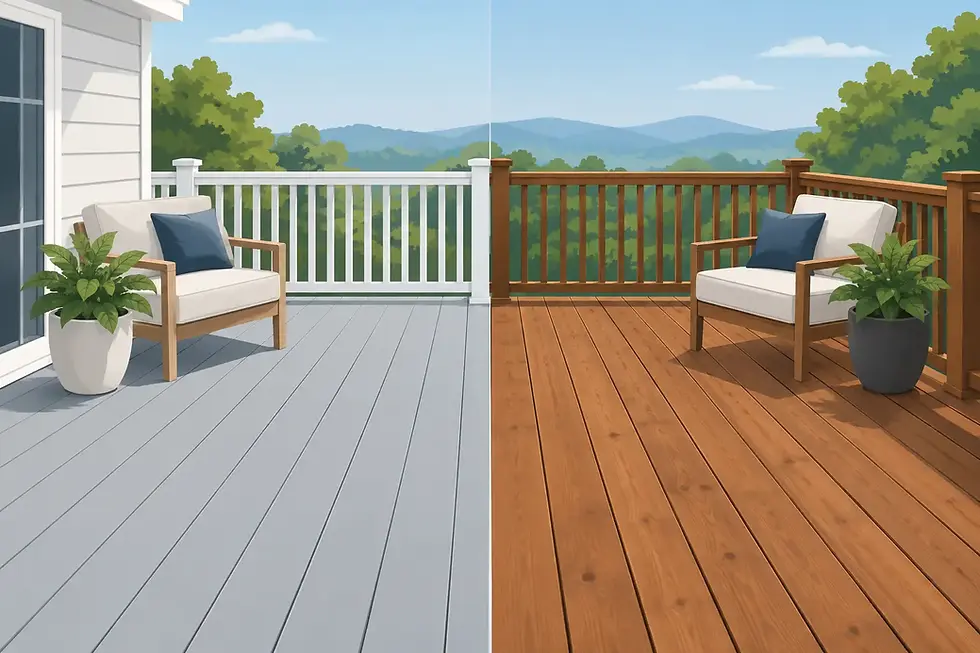
For homes in Hamilton and the surrounding New Jersey area, seasonal exterior care is also an opportunity to look closely at decks, railings, trim, and painted surfaces. These areas face the same moisture and temperature swings as the house itself. If a deck finish is fading, paint is peeling, or mildew keeps returning in shaded areas, washing may be the first stage of a broader preservation plan.
Deck Wrangler Power Washing and Painting Co. approaches exterior care with the same principle that guides deck restoration: tradition meets precision. Thirty-three years of practical experience teaches a simple lesson - the strongest result is not the most aggressive one. It is the one that restores beauty while protecting the material underneath.
Before scheduling any house washing, take a slow look at your siding, trim, windows, and landscaping. A careful assessment now can help preserve the character, protection, and curb appeal you value in your home for years to come.

Comments