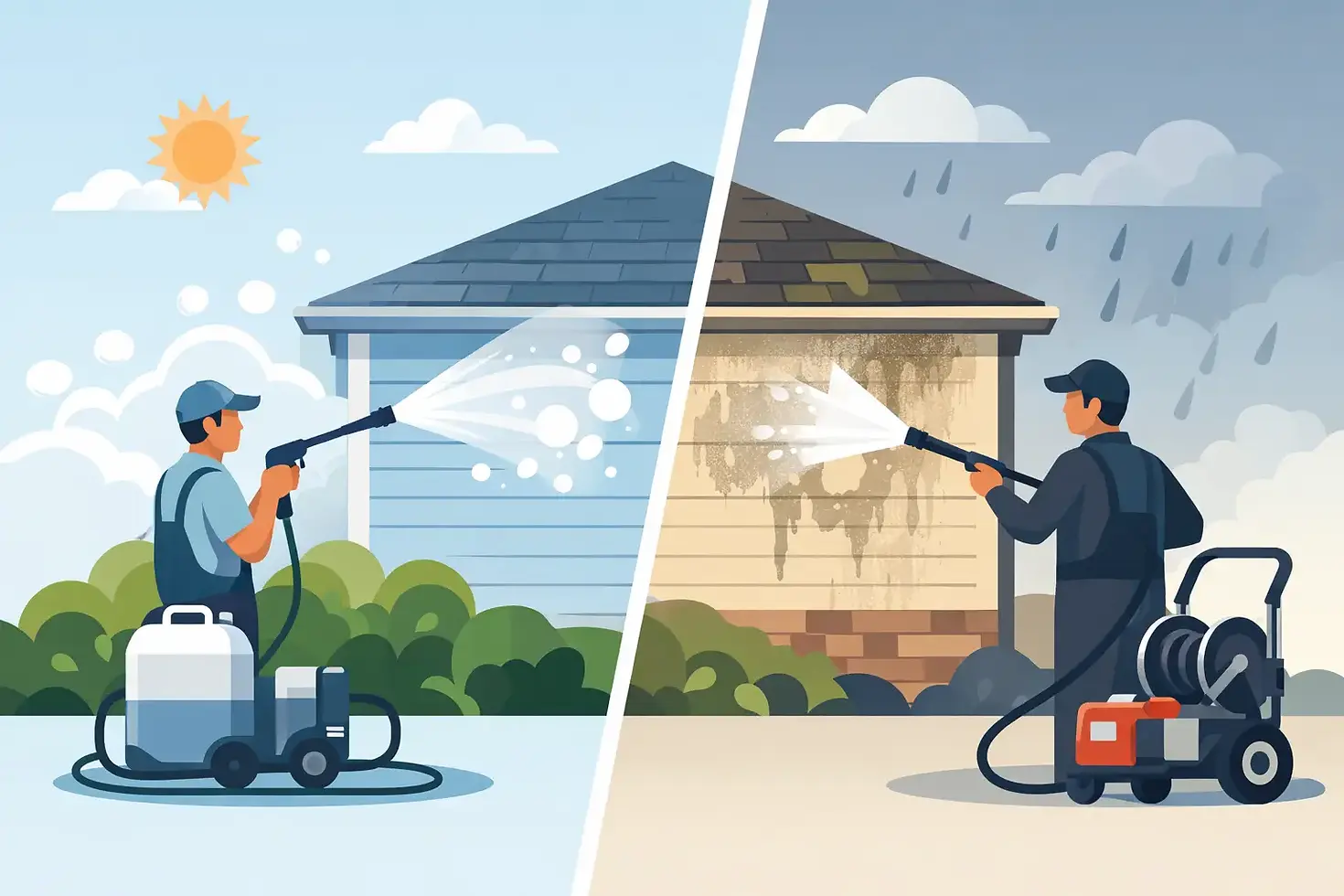
Soft Washing vs Pressure Washing: Which Is Right?
A blackened deck, green siding, or stained patio can make a well-kept Hamilton home look neglected long before anything is structurally wrong. Yet the wrong cleaning method can leave behind raised wood grain, damaged paint, etched concrete, or a problem that returns too quickly. In the choice of soft washing vs pressure washing, the best answer is not about which method is stronger. It is about what the surface needs, what is causing the staining, and how to clean it without compromising its finish or condition.
For homeowners who care about preserving outdoor spaces, cleaning should be treated as preparation and protection, not simply a blast of water. Each method has a proper place. The craftsmanship lies in knowing the difference before the work begins.
What Is Pressure Washing?
Pressure washing uses water delivered at elevated pressure to remove surface-level buildup. Depending on the equipment and setting, that force can lift packed dirt, mud, loose peeling paint, salt residue, and stubborn grime from durable materials. It is a highly useful tool when applied with the right pressure, nozzle, distance, and technique.
The phrase can be misleading because pressure is only one part of the process. A skilled technician adjusts the approach to suit the material instead of using one aggressive setting for every job. Concrete may tolerate a more forceful rinse than a painted porch railing. A weathered wood deck calls for far more restraint than a masonry walkway.
Pressure washing is often the appropriate choice for hard, resilient surfaces such as driveways, sidewalks, many patios, brick, and certain concrete areas. It can also be part of a deck restoration process, particularly when old finish residue or embedded grime must be addressed. But wood and painted surfaces require a careful hand. Too much pressure can cause lasting damage in minutes.
What Is Soft Washing?
Soft washing is a low-pressure cleaning method that relies primarily on an appropriate cleaning solution and dwell time rather than water force. The solution is selected to break down organic growth and surface staining, then the area is rinsed gently. The goal is to treat the source of discoloration, not just push it away.
This approach is especially useful for algae, mildew, moss, and other organic growth that commonly develops in New Jersey's humid seasons and shaded areas. Green streaks on siding and dark stains on exterior trim are often signs that the surface needs more than a high-pressure rinse. If the growth is not properly treated, it may return sooner than a homeowner expects.
Soft washing is generally preferred for delicate or finish-sensitive surfaces, including vinyl siding, painted exteriors, soffits, exterior woodwork, many fences, and roofs. It allows the cleaning process to be controlled without driving water behind siding, stripping paint, or scarring softer materials.
Soft Washing vs Pressure Washing: The Real Difference
The essential difference is simple: pressure washing uses mechanical force to remove buildup, while soft washing uses cleaning chemistry and low pressure to address staining and organic growth. Neither method is automatically better. A clean result depends on matching the method to the material and the condition of the surface.
A concrete driveway with tire marks and compacted dirt may benefit from carefully managed pressure washing. The same method on aging cedar could roughen the surface, create uneven streaks, and make the wood more vulnerable to moisture. Conversely, soft washing can safely treat algae on siding, but it may not be enough by itself to remove deeply embedded grime from a rough concrete walkway.
The condition of the surface matters just as much as its material. A newer, properly sealed deck behaves differently from an older deck with worn stain, loose fibers, or cracked boards. Painted trim that is sound may only need gentle cleaning, while failing paint may need a more involved preparation plan before repainting. Professional surface care begins with this inspection, not with a machine setting.
Choosing the Right Method for Common Home Surfaces
Wood decks and fences
Wood is where experience matters most. Deck boards can look tough, but prolonged exposure to sun, rain, and freezing temperatures changes their surface. High pressure used too closely can cut into soft grain, leave lap marks, splinter edges, and create a fuzzy texture that holds dirt and moisture.
For routine biological staining, a low-pressure cleaning approach is often the safer starting point. When a deck is being restored for staining or protective treatment, cleaning may involve a measured combination of cleaning solutions, controlled rinsing, and surface preparation. The proper approach depends on the species of wood, its age, the existing finish, and whether repairs are needed first.
Vinyl siding and painted exterior surfaces
Siding may collect pollen, road film, mildew, and insect residue, particularly on shaded walls. Soft washing is usually the sensible choice because it cleans without forcing water behind panels or damaging nearby caulk, window seals, and paint.
High pressure can also leave visible wand marks on painted surfaces or drive water into places it does not belong. A careful soft wash reaches the staining while respecting the exterior system that protects the home.
Concrete, pavers, and masonry
Concrete is durable, but it is not indestructible. Pressure washing can be effective on sidewalks, patios, and driveways because it removes built-up dirt and restores a brighter, more even appearance. Even here, technique is critical. Uneven passes can create striped results, while excessive force can etch concrete or disturb joint material between pavers.
For algae or mildew on concrete, treatment may come before pressure washing so the growth is addressed rather than merely spread across the surface. Pavers, brick, and older masonry deserve additional attention because their joints and edges can be more vulnerable than the central surface.
Roofs
Roofs are not a place for traditional high-pressure washing. Pressure can dislodge granules from asphalt shingles, damage roofing materials, and shorten the service life of a roof. For dark roof streaks caused by algae, a manufacturer-appropriate soft-wash process is typically the safer route.
Roof cleaning also involves safety, drainage, landscaping protection, and an understanding of the roofing material. It should never be approached as a standard pressure-washing job.
Why Cleaning Method Matters Before Painting or Staining
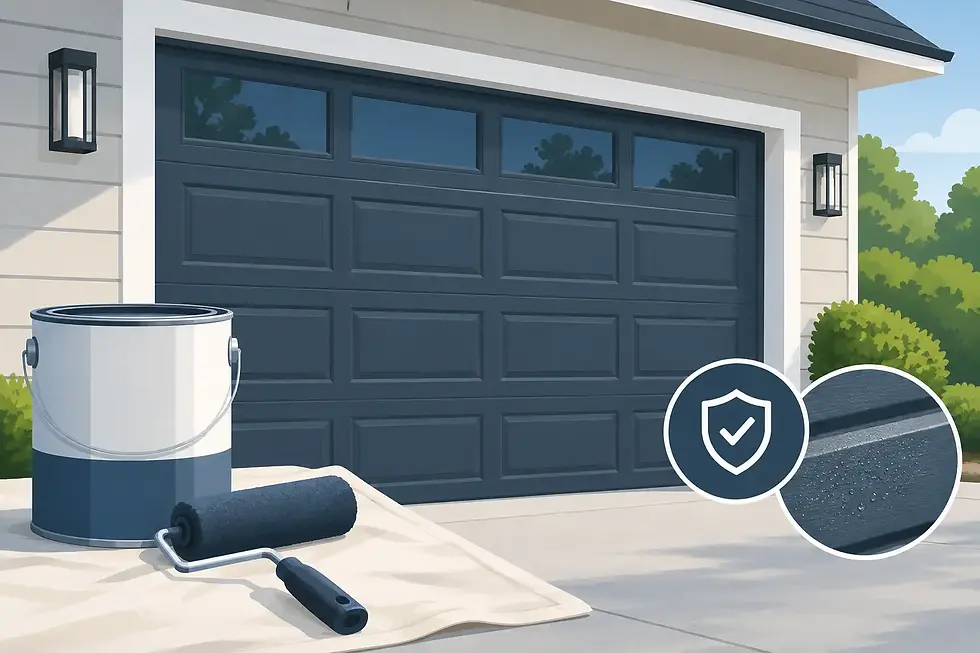
A fresh coat of paint or stain cannot compensate for poor surface preparation. Dirt, mildew, loose fibers, and failing finish can interfere with adhesion, leaving a new coating more likely to peel, fade unevenly, or wear prematurely.
That is why quality restoration work treats cleaning as one stage of a larger process. The surface may need to be cleaned, allowed to dry thoroughly, inspected for damage, sanded where needed, and prepared for the right protective finish. Skipping those steps can make an outdoor improvement look good briefly while sacrificing durability.
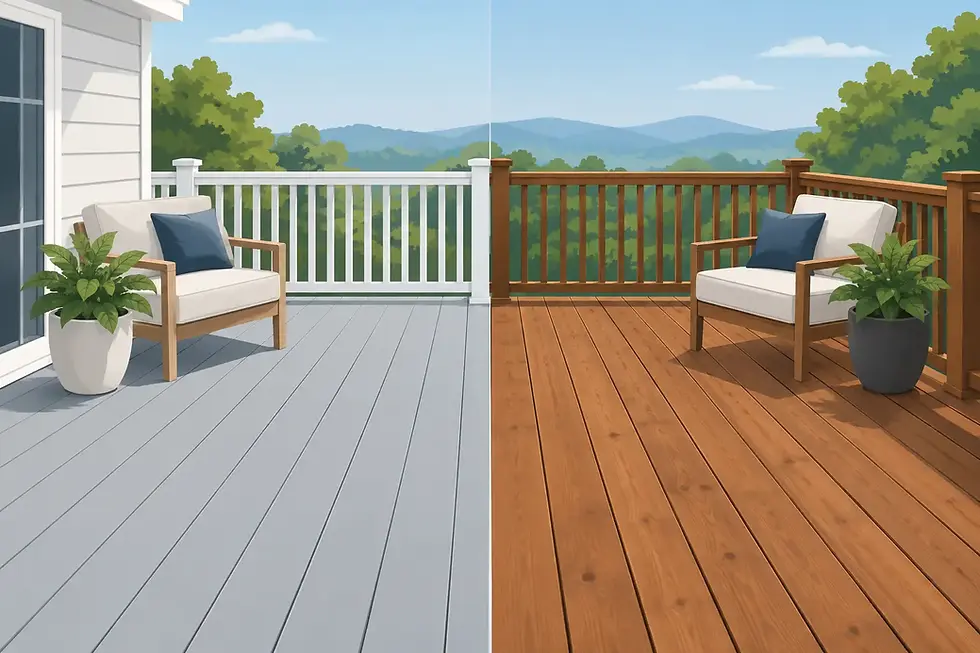
For decks in particular, the aim is not to make the wood look artificially new for a weekend. It is to restore a clean, receptive surface that can accept protection and continue serving the household season after season.
The Risks of a One-Method Approach
A contractor who uses high pressure on every surface may produce fast visual change, but speed is not the same as care. Common problems include stripped stain, damaged window screens, splintered wood, etched concrete, lifted paint, and water intrusion around exterior details. Homeowners may not notice some of these issues until weeks later.
On the other hand, cleaning solutions must also be used responsibly. Proper dilution, controlled application, adequate rinse procedures, and protection for nearby plants are part of professional soft washing. The method is gentle on the surface, but it still requires knowledge and attention.
The most reliable approach is not loyalty to one machine or one technique. It is a surface-specific plan that accounts for material, finish, staining, drainage, surrounding landscaping, and the homeowner's next step. A patio being cleaned for summer use has different needs than a deck being prepared for stain or a house being readied for exterior painting.
A Better Standard for Exterior Care
At Deck Wrangler Power Washing and Painting Co., 33 years of hands-on experience informs the choices made before a cleaning project begins. That means looking beyond the visible dirt to consider the wood, paint, finish, and long-term condition underneath it. Tradition meets precision when the work protects both the appearance and the value of the home.
Before scheduling exterior cleaning, take a close look at the surface in daylight. Note peeling coatings, soft or cracked boards, recurring green growth, loose mortar, and areas where water lingers after rain. Those details help determine whether a gentle treatment, controlled pressure washing, restoration preparation, or a combination of methods will give the surface the care it deserves.

Comments