A Homeowner’s Guide to Siding Maintenance
A streak beneath a window, a strip of peeling paint near a corner board, or a green film on the shaded side of the house may look minor. In New Jersey, those small changes can quickly become moisture problems when rain, humidity, winter freeze-thaw cycles, and summer heat have their say. This guide to siding maintenance helps homeowners protect the exterior that keeps their home looking cared for and standing strong.
Siding is not just a backdrop for shutters and landscaping. It is a weather barrier, a finish surface, and a major part of your home’s curb appeal. Regular attention gives you time to address dirt, mildew, failing caulk, and worn coatings before they demand a larger repair. The goal is not to make every surface look brand-new every weekend. It is to maintain a clean, sound exterior with the right methods for its material.
Why Siding Needs More Than an Occasional Rinse
Exterior surfaces collect airborne dirt, pollen, spider webs, and pollution all year. North-facing walls and areas beneath trees often hold moisture longer, creating favorable conditions for mildew and algae. Gutters that overflow can leave dark tracks and repeatedly wet the same section of siding, while sprinkler overspray may create staining close to the ground.
These conditions affect appearance first, but they can point to larger issues. On painted wood, trapped moisture may lead to peeling paint, softened boards, or open seams. On vinyl, discoloration and mildew can make an otherwise sound surface look neglected. Fiber cement is durable, but its painted finish and joint details still need care. Brick, stucco, and composite materials also have their own cleaning limits and repair needs.
A careful maintenance routine is a preservation investment. It protects the visual character of the home while helping you spot conditions that should be corrected before water reaches the sheathing or framing behind the siding.
A Seasonal Guide to Siding Maintenance
For most Hamilton-area homes, a close inspection twice a year is practical: once in spring after winter weather, and once in fall before colder temperatures return. You should also take a look after a major storm or after work has been done on the roof, gutters, windows, or landscaping.
Start from several feet away. Look for uneven color, warping, missing pieces, stains beneath windows, loose trim, and areas where the siding line does not look straight. Then move closer and inspect joints, corners, trim boards, and the transition where siding meets masonry, decks, porches, or roofing.
A useful seasonal check includes four areas:
Clean out gutters and confirm downspouts carry water away from the foundation and siding.
Trim shrubs, vines, and tree branches so air can circulate around exterior walls.
Look for cracked caulk, open joints, loose fasteners, peeling paint, or damaged panels.
Check lower courses of siding for splashback, insect activity, lawn equipment damage, and persistent mildew.
Keep a few photos of anything that concerns you. A picture taken in spring can make it easier to tell whether a small stain or crack has changed by fall. It also gives a contractor a clearer starting point if you decide to request an estimate.
Clean Carefully: More Pressure Is Not Better
Power washing can restore the clean, even appearance of many exterior surfaces, but the technique matters as much as the equipment. Excessive pressure, a nozzle held too close, or water directed upward beneath lap siding can drive moisture where it does not belong. It can also scar wood, loosen paint, damage caulk, and leave visible lines in softer materials.
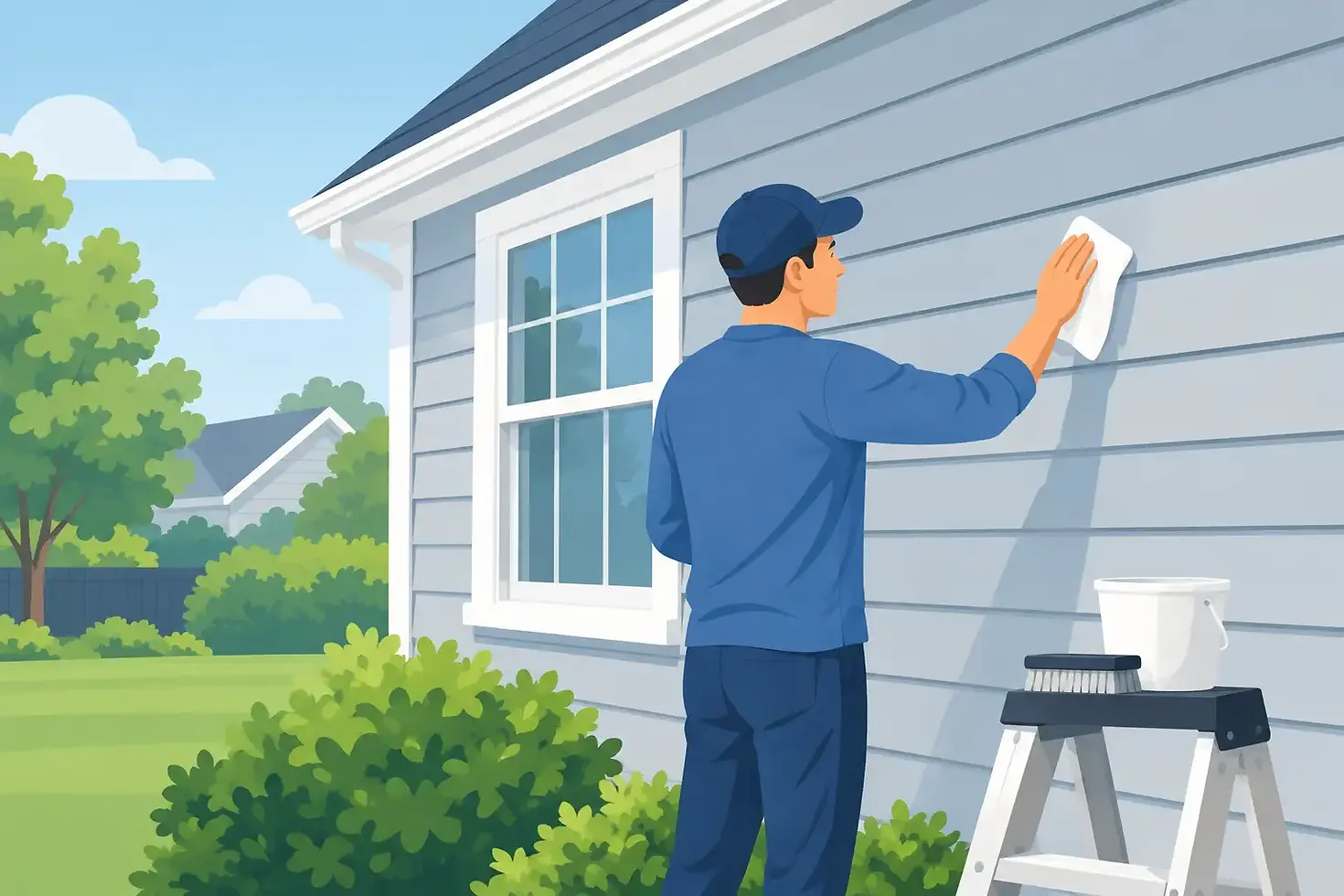
For light dirt and pollen, a garden hose, soft brush, and a siding-appropriate cleaning solution may be enough. Work in manageable sections, rinse thoroughly, and avoid allowing cleaning products to dry on the surface. Protect nearby plants by wetting them before and after cleaning, and do not assume that a household cleaner is safe for every siding material.
Mildew and algae deserve more attention than ordinary dust. They often return because shade, poor drainage, vegetation, or gutter overflow keeps the surface damp. Cleaning removes the visible growth, but correcting the moisture source helps the improvement last.
If your home has older paint, weathered wood, delicate trim, or stubborn staining, professional surface assessment is the safer choice. Experienced exterior-care work uses pressure, detergents, dwell time, and rinsing techniques appropriate to the material rather than treating every wall like a driveway. That distinction protects both the finish and the structure behind it.
Protect Painted Wood and Fiber Cement Finishes
Paint is a protective layer, not merely a color choice. When it starts to crack, peel, blister, or chalk heavily, the siding beneath becomes more vulnerable to moisture and sun exposure. Early paint failure is often limited to trim, window sills, fascia, or one especially weathered wall, which makes timely preparation and repainting worthwhile.
Do not paint over dirt, mildew, loose coatings, or damp wood. A finish will only perform as well as the surface beneath it. Proper work generally includes cleaning, drying, removing failing material, sanding where needed, repairing defects, priming bare areas, and applying a coating suited to the substrate.
Wood siding needs particular care at end grain, seams, nail heads, and horizontal ledges where water can linger. Fiber cement holds up well when properly installed and painted, but chipped edges, damaged caulk, and exposed areas should be repaired and sealed according to the manufacturer’s requirements. The best repainting schedule depends on sun exposure, previous preparation, product quality, and the condition of the existing coating. A wall facing hard afternoon sun may need attention sooner than a protected side of the home.
Watch the Details That Let Water In
Siding maintenance is often decided at the edges. Window and door trim, flashing, utility penetrations, hose bibs, vent covers, and the line where a deck attaches to the house all need a close look. These are common places for caulk to split or pull away.
Caulk is not a permanent fix for every gap. If trim is rotted, a panel is loose, or flashing is missing, adding more caulk can hide the symptom without resolving the cause. Likewise, repeated staining below a window may signal a failed seal, an overflowing gutter, or a roof drainage issue rather than a siding problem alone.
Look for soft spots in wood trim, bubbling paint, rusty fasteners, insect holes, and recurring wet areas. Indoors, damp marks near exterior walls or windows should be addressed promptly. Exterior maintenance works best when it considers how water moves across the entire home, from roofline to grade.
When to Call an Exterior Care Professional
Homeowners can handle basic observations, light cleaning, and vegetation control. The work becomes more complicated when there is extensive mildew, stubborn staining, peeling coatings, weathered wood, multiple damaged panels, or uncertainty about the right cleaning method. Ladders, wet surfaces, and pressure equipment also create risks that are easy to underestimate.
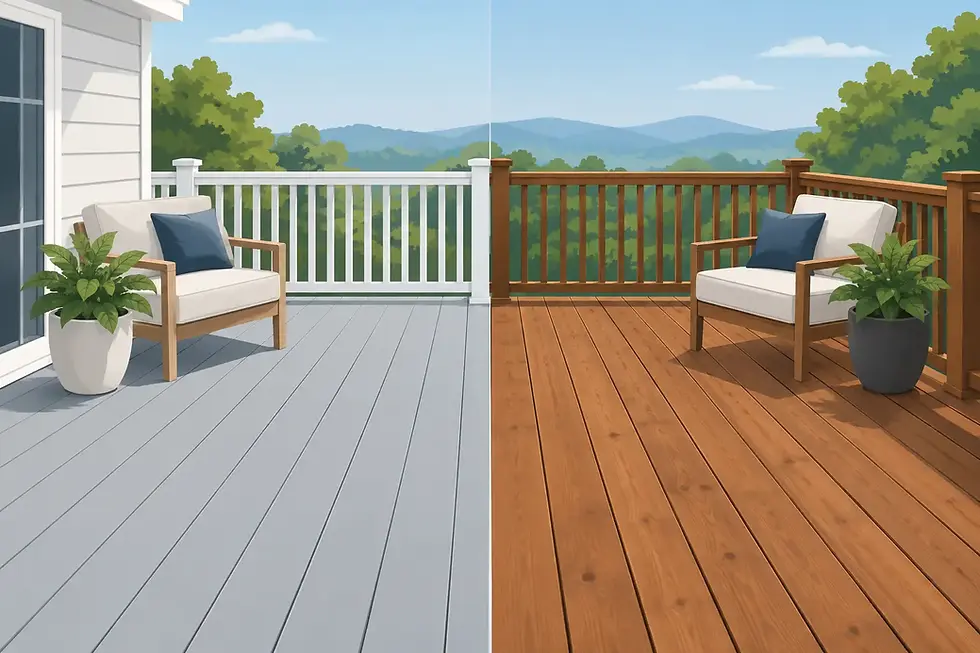
A professional evaluation is especially worthwhile before painting or staining nearby exterior woodwork. Cleaning one surface without considering adjoining decks, railings, trim, and siding can leave the property looking uneven. A coordinated plan helps preserve the finished appearance of the whole outdoor space.
Deck Wrangler Power Washing and Painting Co. brings 33 years of hands-on surface-care experience to homes in Hamilton and the surrounding New Jersey area. That experience matters when a surface needs more than a quick wash - it needs careful preparation, material-appropriate treatment, and workmanship that respects the home.
Keep Maintenance Consistent, Not Complicated
The best guide to siding maintenance is a realistic one: inspect regularly, clean gently, manage water, and respond early when a finish or joint begins to fail. There is no benefit in waiting for a small defect to become a visible repair project.
Set a reminder for spring and fall, walk the exterior with a critical eye, and take note of what has changed. A well-kept siding system does more than improve curb appeal. It gives your home the steady, protected appearance that makes outdoor spaces more enjoyable season after season.

Comments