How Long Does Exterior Paint Last on Your Home?
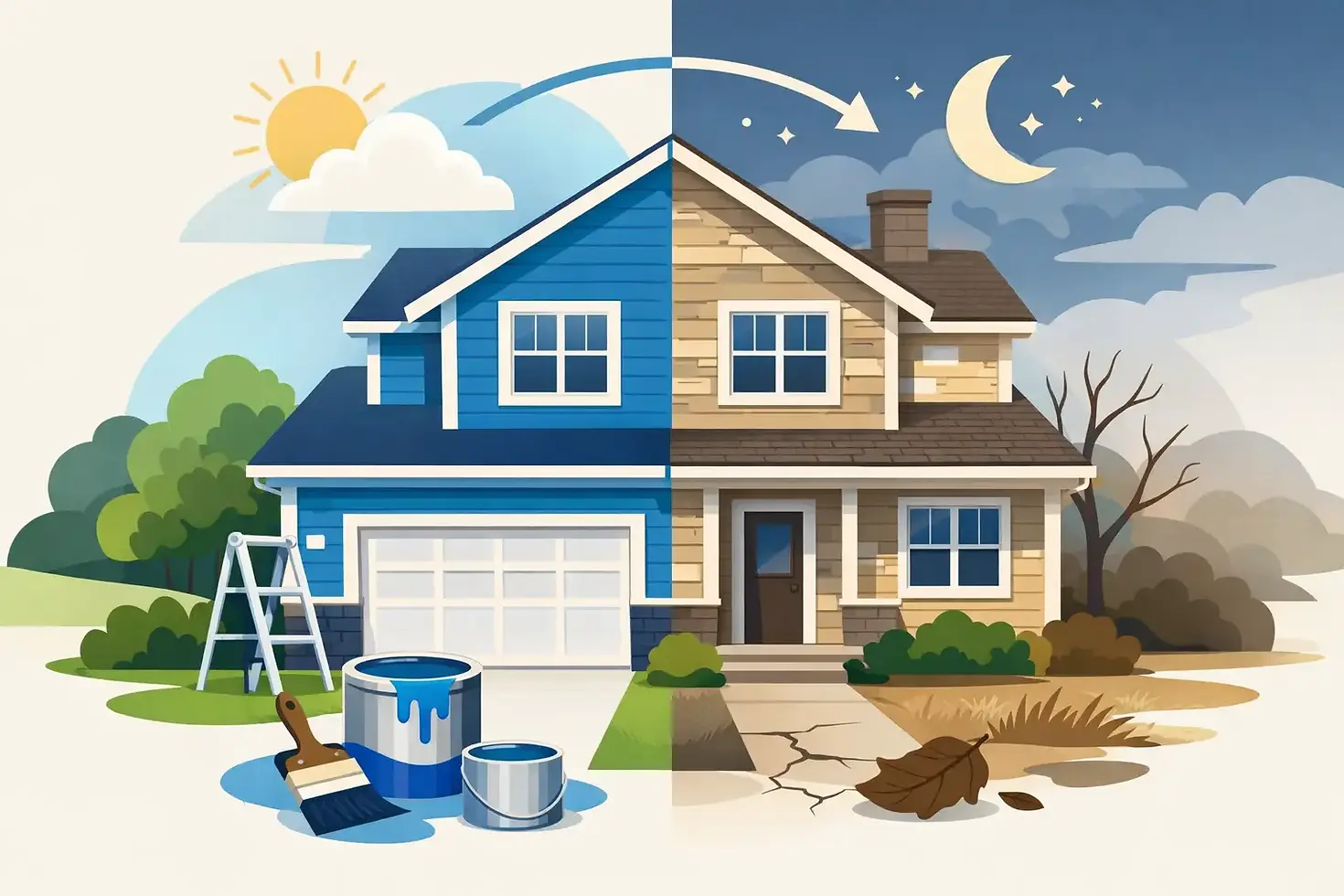
A fresh coat of exterior paint can make a Hamilton home look cared for almost overnight. But paint is more than a color choice. It is a protective layer between your siding, trim, porch, or deck structure and years of sun, rain, humidity, winter moisture, and temperature swings. So, how long does exterior paint last? For most homes, the answer is typically five to 10 years, but the surface beneath the paint and the quality of the preparation can move that timeline significantly.
A well-painted exterior should age gradually, not fail suddenly. When paint begins peeling, cracking, or allowing moisture into the material below, repainting becomes less about appearance and more about preserving the home.
How Long Does Exterior Paint Last by Surface?
There is no single repainting schedule for every part of a property. A protected fiber-cement wall and a sun-baked wood railing do not face the same conditions, even when painted at the same time.
Paint on properly prepared wood siding commonly lasts five to seven years. Wood moves as humidity changes, absorbs moisture if its protective coating weakens, and can be especially vulnerable around joints, end grain, and horizontal surfaces. Trim may need attention sooner than broad siding because it has more exposed edges and detailed areas where water can collect.
Painted aluminum or vinyl siding can often hold its finish for 10 years or longer when the coating is suited to the material and the surface is clean. The paint itself may remain intact while color fades from prolonged direct sun. Masonry, stucco, and fiber-cement siding can also provide longer intervals between repainting, often seven to 10 years, provided cracks and moisture issues are addressed before painting.
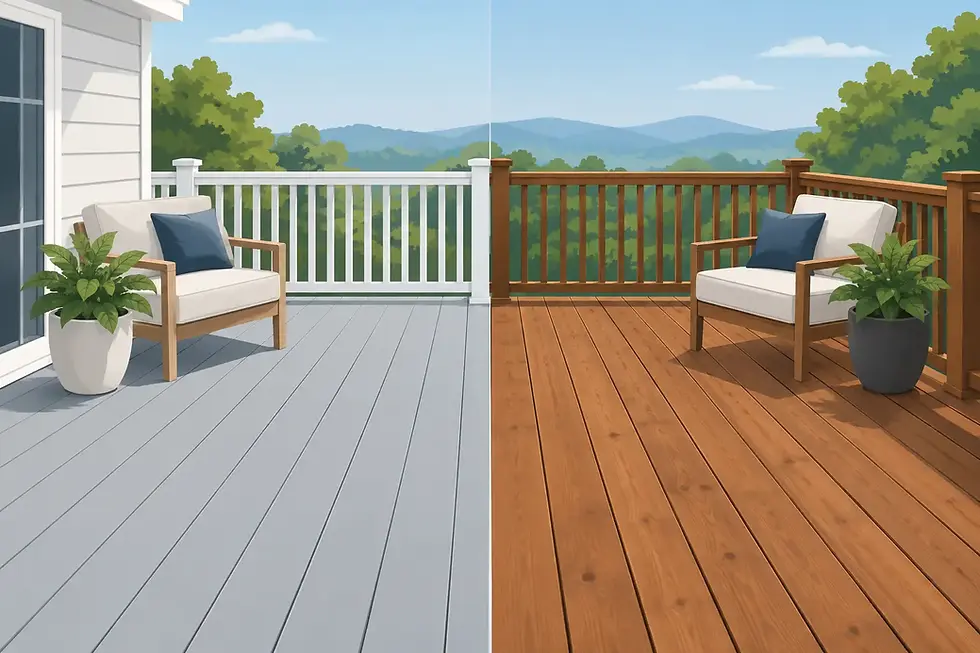
Decks, porch floors, railings, steps, and other horizontal wood surfaces are different. Foot traffic, standing water, furniture movement, leaf debris, and direct sunlight place far more stress on a coating. A deck finish may need maintenance every two to four years, depending on whether it is painted, stained, covered, shaded, or fully exposed. This is not necessarily a sign of poor work. It is the reality of a surface that must handle both weather and daily use.
What Shortens the Life of Exterior Paint?
New Jersey weather asks a lot of exterior finishes. Summer heat and humidity can expand materials, while freezing winter conditions can force moisture into small gaps and then widen them. A surface that looks sound in spring may show failure after another freeze-thaw cycle.
The most common reason paint fails early is not the paint brand. It is inadequate surface preparation. Painting over chalking residue, mildew, loose paint, damp wood, or embedded dirt prevents the new coating from forming a dependable bond. The finish may look good at first, then lift or peel much sooner than expected.
Moisture is the other major concern. Leaking gutters, poor drainage, overgrown shrubs, and unsealed gaps around windows can keep an area wet long enough to damage both paint and the substrate beneath it. In these cases, repainting without correcting the source of moisture only covers a problem temporarily.
Sun exposure matters as well. South- and west-facing elevations generally fade and weather faster than shaded sides of the home. Dark colors can absorb more heat, which may increase expansion and contraction on certain surfaces. That does not mean homeowners should avoid dark colors, but it does mean color, material, and exposure should be considered together.
Signs It Is Time to Repaint
Do not wait until the entire exterior is peeling to inspect the finish. Early maintenance is usually simpler, cleaner, and less expensive than restoring widespread coating failure or damaged wood.
Watch for these four signs:
Peeling, bubbling, cracking, or flaking paint, especially near trim joints, windows, doors, and gutters.
Fading or chalking, where rubbing the surface leaves a dusty color residue on your hand.
Exposed bare wood, soft spots, stains, or dark discoloration that may point to water intrusion.
Mildew growth, persistent grime, or paint that no longer looks clean after proper washing.
A few isolated chips may only require spot preparation and touch-up work. Widespread cracking or peeling is different. It often means the existing coating system has reached the end of its useful life and needs thorough removal of loose material, careful cleaning, priming where needed, and repainting.
Why Preparation Determines How Long Paint Lasts
The visible finish gets the attention, but preparation determines the result. Experienced exterior painting begins with an honest look at the condition of the surface. That includes checking for damaged boards, failed caulk, loose paint, mildew, and areas where water has been working behind the coating.
Cleaning is not simply about making a surface look brighter. Proper washing removes the dirt, organic growth, and loose residue that interfere with adhesion. The method must match the material. Too much pressure can scar wood, force water where it does not belong, or damage older surfaces. Too little cleaning can leave behind contamination that shortens the paint job's life.
After cleaning, the surface needs sufficient drying time. Loose paint is scraped and sanded, repairs are made, gaps are caulked where appropriate, and bare or stained areas receive the proper primer. Only then is the finish coat applied under suitable weather conditions. Skipping these steps can turn a promising paint job into a short-lived cosmetic fix.
This is why a lower initial price is not always a lower long-term cost. A rushed repaint may need to be redone years sooner, while careful preparation protects both the finish and the material underneath it.
How to Help Exterior Paint Last Longer
Homeowners can extend the life of a quality paint job with regular, practical care. Keep gutters clear so water does not overflow onto fascia and trim. Trim back shrubs and vines that hold moisture against siding or railings. Avoid allowing soil, mulch, or stacked items to stay in direct contact with painted wood.
A gentle annual wash can remove pollen, grime, mildew, and salt residue before they become embedded. Pay attention to the lower portions of siding, shaded sides of the home, porch columns, railings, and areas beneath rooflines. These spots often show early signs of moisture or organic growth.
It also helps to handle minor issues promptly. Recaulking a small open joint, touching up an exposed edge, or repairing a loose board can prevent a localized problem from spreading. Keep a small amount of leftover labeled paint for touch-ups, but remember that a touch-up will blend best when the surrounding paint has not faded heavily.
Painting, Staining, and the Right Choice for Exterior Wood
For decks and exterior woodwork, the best protective finish is not always opaque paint. Paint provides strong color coverage and can create a polished, uniform appearance, but it may peel when moisture reaches the wood underneath. Semi-transparent or solid-color stains penetrate or bond differently and can be easier to renew in certain applications.
The right choice depends on the wood's condition, prior coatings, desired appearance, and how much weather exposure the area receives. A covered porch ceiling, a decorative railing, and a heavily used deck floor should not automatically receive the same product. Matching the coating system to the surface is part of preserving its beauty and service life.
For 33 years, Deck Wrangler Power Washing and Painting Co. has approached exterior care as preservation work, not a quick cover-up. A careful assessment can identify whether your home needs washing, minor maintenance, targeted repairs, or a complete repainting plan.
When your exterior starts showing its age, the best time to act is before small coating failures become material repairs. A professionally prepared finish gives your home a cleaner appearance today and a better chance of standing strong through the seasons ahead.

Comments