
Exterior Painting Hamilton NJ That Lasts
A peeling spot near a window, faded siding on the sunny side of the house, or cracked paint along porch trim can look like a small cosmetic issue. In reality, those are often the first places where moisture, sun exposure, and seasonal movement begin working on an exterior surface. Quality exterior painting Hamilton NJ homeowners rely on is not simply about applying a fresh color. It is careful preservation work that protects the details that give a home its character.
Hamilton homes face a full range of New Jersey weather. Summer heat and humidity, winter freezes, spring rain, and falling debris all place stress on painted siding, trim, railings, doors, shutters, and outdoor woodwork. A proper paint project should make the home look renewed while helping those surfaces stand up to what comes next.
Exterior Painting in Hamilton NJ Starts With Preparation
The difference between a finish that lasts and one that fails early is usually decided before the first coat of paint is applied. Paint needs a clean, dry, stable surface to bond correctly. If dirt, chalking paint, mildew, loose material, or hidden moisture remains underneath, even premium paint can peel, blister, or fade before its time.
That is why exterior work should begin with a close look at the condition of each surface. Wood trim may need scraping, sanding, spot priming, or minor repairs. Siding may need controlled washing to remove pollen, grime, oxidation, and organic growth. Caulk around windows, doors, joints, and trim should be inspected because failed caulk allows water to reach places paint alone cannot protect.
Preparation is not glamorous, but it is where craftsmanship shows. Rushing through cleaning or skipping proper drying time may shorten the project in the moment, but it can create a much larger repair issue later. A careful contractor works with the surface in front of them rather than treating every home as if it needs the same process.
What Hamilton Weather Does to Exterior Paint
Painted exteriors naturally age, but certain patterns deserve attention. South- and west-facing walls often receive the strongest sunlight, which can fade color and dry out exposed finishes. Shaded areas may hold moisture longer and become more vulnerable to mildew. Trim, soffits, and fascia can suffer where water runoff is frequent or gutters are not directing water away from the home.
Winter is equally demanding. Wood expands and contracts as temperatures change. Water can enter small cracks, freeze, and widen them. When spring arrives, paint may begin lifting from the surface. Addressing those weak points before they become widespread helps protect both the appearance and condition of exterior materials.
The timing of a painting project matters, but weather windows are not the only consideration. The surface must be dry, temperatures must fall within the coating manufacturer's recommended range, and rain or heavy humidity should be considered. A dependable exterior painting plan accounts for conditions instead of forcing the work around an arbitrary calendar date.
Choosing the Right Finish for Each Surface
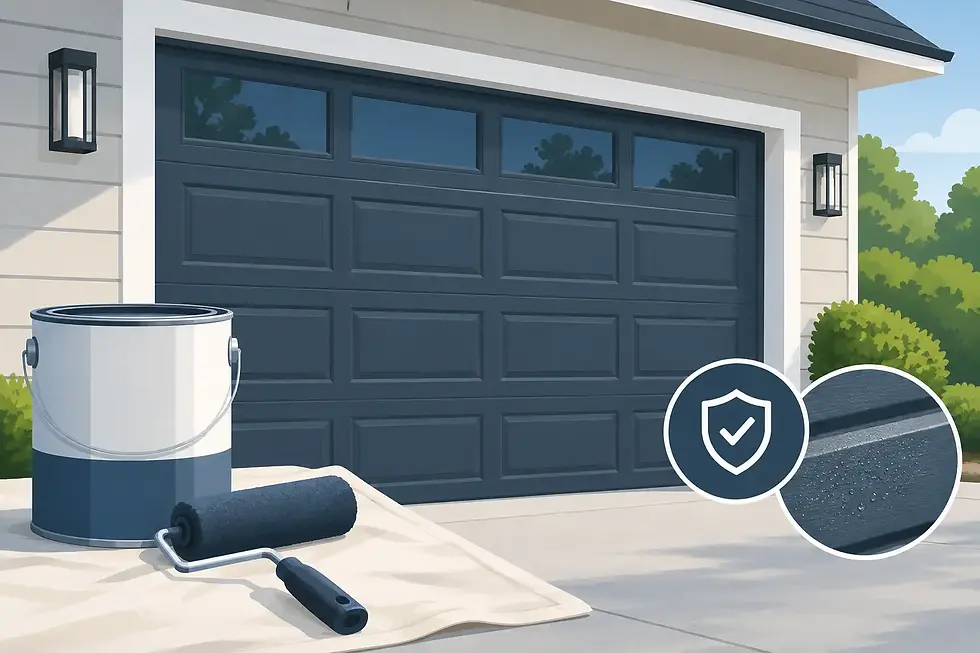
A home exterior is rarely made of one material. It may include wood trim, vinyl siding, fiber cement, composite features, metal railings, masonry accents, and painted doors. Each surface has different needs, and the right coating system depends on what is being painted, its existing condition, and the level of exposure it receives.
For example, exterior wood needs coatings that can help manage movement while providing a protective barrier. Metal may require rust treatment and a compatible primer. Previously painted surfaces need to be evaluated for adhesion before a new finish is added. Using one generic product for every part of a property can lead to uneven appearance and poor durability.
Color also deserves practical consideration. A dramatic change can transform curb appeal, but darker colors on sun-exposed siding may absorb more heat. Bright white trim can look crisp, yet it can show dirt more readily near busy driveways, landscaping, or porches. The best color choice balances personal style, the home’s architecture, surrounding features, and the maintenance level a homeowner is comfortable with.
Paint and Stain Are Not Interchangeable
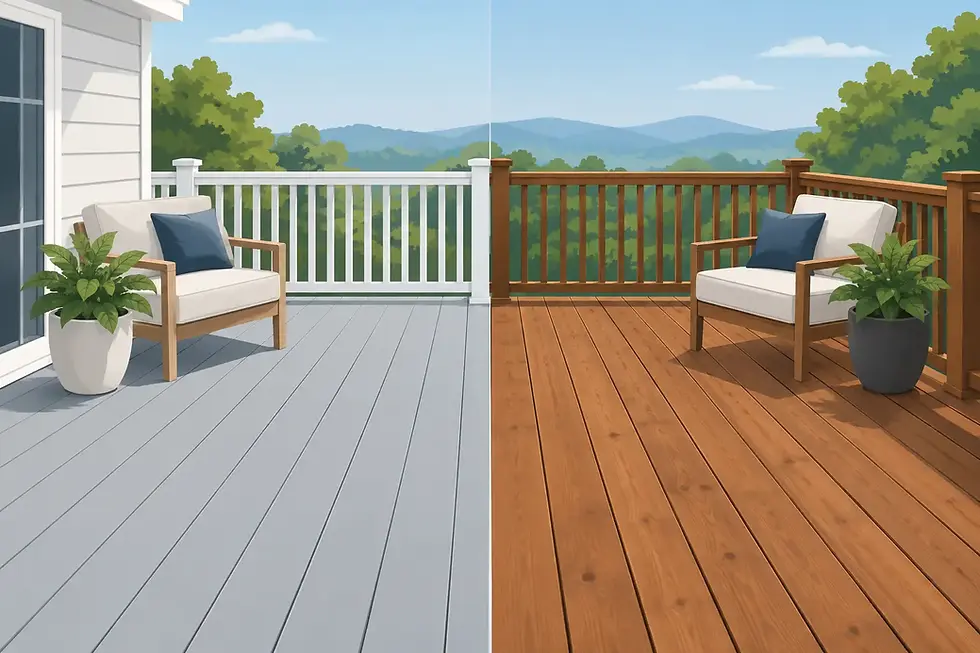
Decks, railings, and exterior wood features often cause confusion because paint and stain do different jobs. Paint creates a film on the surface and can provide a uniform, opaque appearance. Stain is designed to penetrate or settle into the wood differently, depending on the product, allowing more of the grain to remain visible.
Neither option is automatically better. A weathered deck may need restoration and protective staining, while trim or a porch ceiling may benefit from a painted finish. The existing coating, the wood’s condition, and the desired look should guide the choice. Applying paint over an unsuitable surface, or stain over a failing coating, is a recipe for disappointment.
Signs It Is Time to Repaint
Homeowners do not need to wait for severe peeling to think about exterior painting. Earlier attention can often reduce the amount of repair and preparation needed. Watch for paint that looks dull or chalky, cracks at joints, separation around window trim, exposed bare wood, rust stains, or areas where mildew keeps returning.
Look closely at horizontal surfaces and edges. Window sills, rail caps, porch railings, door frames, and the ends of trim boards tend to take more weather than broad wall areas. These details are easy to overlook from the driveway, yet they frequently need care first.
A professional assessment is especially useful when the problem is isolated. It may be possible to restore and repaint affected sections before damage spreads. On the other hand, widespread fading, repeated peeling, or failing caulk may indicate that the home is ready for a more comprehensive project. The right scope depends on what the surface is telling you, not on a one-size-fits-all package.
Why Surface Cleaning Matters Before Painting
Power washing has an important role in exterior care, but it must be done with judgment. The objective is to remove contaminants without damaging wood fibers, forcing water behind siding, or scarring delicate surfaces. Proper pressure, equipment, cleaning solutions, distance, and technique all matter.
A clean surface improves the appearance of a property on its own, but it also creates the foundation for coatings to adhere. Pollen, dirt, mildew, and chalking residue can act as a barrier between paint and the surface. After cleaning, adequate drying time is essential. Painting over damp wood or siding can trap moisture where it does not belong.
Deck Wrangler Power Washing and Painting Co. approaches exterior care with 33 years of hands-on experience, combining traditional attention to surface preparation with appropriate modern cleaning methods. That means looking beyond a quick visual improvement and considering what will help the surface remain attractive and protected over time.
A Better Way to Plan Your Exterior Project
Before selecting a color or scheduling work, walk around the property with a practical eye. Notice where water collects, where branches rub against siding, where gutters overflow, and where paint is failing first. These clues can reveal maintenance issues that should be corrected alongside painting.
It also helps to think about the full exterior rather than a single wall in isolation. Freshly painted trim can make tired shutters stand out. A restored deck can change how worn siding looks beside it. Coordinating painting, cleaning, deck care, and small repairs creates a more polished result and may prevent the need to revisit connected surfaces too soon.
The lowest initial quote is not always the lowest cost over the life of the finish. Thorough preparation, compatible materials, skilled application, and respect for drying conditions take time. They also help reduce the risk of early failure, repeated touch-ups, and avoidable damage to valuable exterior materials.
A well-painted home should feel cared for before anyone steps through the front door. When the work respects the materials, the weather, and the details that make your property yours, exterior maintenance becomes more than a chore - it becomes a lasting investment in the home you enjoy every day.

Comments