
Porch Repair That Protects Your New Jersey Home
A porch rarely fails all at once. It begins with a soft spot near the steps, a handrail that moves when someone leans on it, paint that curls at the edges, or boards that stay dark long after rain. Thoughtful porch repair addresses these early signs before they become a larger safety concern or a more expensive restoration project.
For homeowners in Hamilton and throughout central New Jersey, a porch works hard through humid summers, freeze-thaw winters, heavy rain, tracked-in salt, and daily foot traffic. It is also one of the first features guests see. Caring for it means protecting both the welcome it gives your home and the materials beneath the finish.
When Porch Repair Is More Than a Cosmetic Job
Faded paint and surface dirt can make a porch look tired, but appearance is only part of the story. Exterior coatings are a protective barrier. Once paint, stain, or sealant begins to fail, moisture can work its way into exposed wood. That moisture may lead to swelling, cracking, rot, and fastener damage over time.
The right repair begins by separating ordinary weathering from material failure. A porch with intact, solid boards may only need detailed cleaning, surface preparation, and a fresh protective coating. A porch with soft wood, split boards, loose rails, or damaged trim needs repair work before any finish is applied. Painting over compromised wood may improve the color for a short time, but it does not correct the condition underneath.
This is where experience matters. A careful exterior-care professional looks beyond the visible surface, checking the areas where water lingers, where boards meet the house, around stair connections, beneath planters, and along rail posts. These are common places for trouble to begin quietly.
Signs Your Porch Needs Attention
A close walk around the porch can reveal a great deal. Look for boards that flex more than surrounding boards, raised nails or screws, visible cracks, peeling paint, mildew staining, and gaps around trim or posts. Pay attention to any area that feels spongy underfoot or remains damp after the rest of the porch has dried.
Handrails deserve special attention. They should feel secure at every connection, especially near stairs. A rail that rocks, a baluster that has loosened, or a step with a worn edge can turn a simple maintenance issue into a safety problem for family members and visitors.
Water patterns offer another useful clue. If puddles form in the same location after a storm, the porch may need better drainage, corrected board spacing, or repair to a section that has shifted. No coating can perform well when standing water is repeatedly left on the surface.
A Lasting Porch Repair Starts With Preparation
The visible finish is often the last step, not the first. Quality work starts with a clear understanding of the porch material, its existing condition, and the source of the damage. Wood, composite, painted masonry, and concrete porches each require different cleaning methods and repair decisions.
For a weathered wood porch, the process may include washing away embedded grime and organic growth, allowing the surface to dry properly, removing failed paint, sanding rough areas, replacing damaged boards, securing loose components, and treating exposed material before a new finish is applied. Skipping any of these steps can shorten the life of the work.
Pressure washing can be valuable when it is matched to the surface. Too much pressure, held too close, can scar wood fibers, drive water into vulnerable areas, or leave a fuzzy surface that does not accept finish well. Too little cleaning leaves dirt and mildew behind, which can interfere with adhesion. Tradition meets precision when proven hands-on judgment is paired with the right equipment and cleaning approach.
Repair, Refinish, or Replace: What Makes Sense?
Not every porch needs the same solution. The best decision depends on how far deterioration has progressed, whether the underlying framing remains sound, and how long you plan to stay in the home.
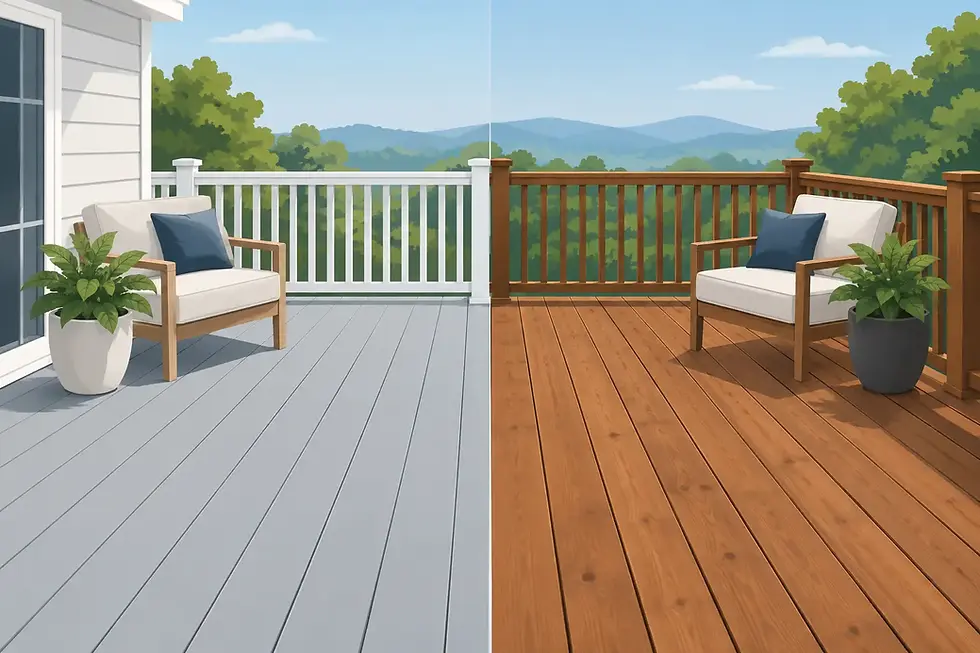
If the porch boards are structurally solid but the finish has worn away, restoration and refinishing can deliver a meaningful return. Proper cleaning and preparation can bring back a clean, cared-for appearance while helping protect the wood from further weather exposure. This is often the most practical option for a porch that has been maintained but needs renewed protection.
When damage is limited to a few boards, stair treads, or sections of trim, targeted repair may be the sensible route. Replacing only failed material preserves the rest of the porch while correcting the areas most vulnerable to moisture and foot traffic. Matching new wood and finish to older material takes attention, but it helps the repair look intentional rather than patched together.
Replacement becomes more appropriate when rot is widespread, structural connections are failing, or repairs would only postpone a larger issue. It can cost more upfront, but repeatedly coating or patching unsound material is rarely a good investment. An honest assessment should explain the trade-off clearly rather than pushing a one-size-fits-all answer.
The Details That Keep Water From Winning
Most porch damage comes back to water. Rain is expected outdoors, but water needs a way to shed, drain, and dry. Porch repairs should account for the small details that influence that cycle: board spacing, flashing near the home, sealed end grain, sound caulking where appropriate, and a finish suited to the material.
Painted porch surfaces need particular care at seams, edges, and horizontal walking areas. These places take the most wear and are often the first to expose bare wood. A quality coating system is not simply about choosing an attractive color. It must be applied to a clean, dry, properly prepared surface in conditions that allow it to cure as intended.
Homeowners can also protect newly repaired work by keeping rugs, planters, and stored items from trapping moisture against the floor. Sweep away leaves and soil, especially in corners and against railings. Trim back vegetation that limits airflow. These simple habits help a porch dry faster after wet weather.
Why Local Experience Matters for New Jersey Porches
New Jersey weather puts exterior surfaces through repeated changes. Summer heat expands materials, winter cold contracts them, and moisture moves through every weakness in an aging finish. The porch that looked acceptable last fall can show peeling paint, lifted boards, or mildew after a single difficult season.
That is why a local contractor should understand how regional weather affects wood and coatings, not just how to make a surface look clean on the day the work is done. The goal is a finish and repair plan that respects the age of the porch, the exposure it receives, and the level of maintenance the homeowner can reasonably provide.
With 33 years of skill and attention to detail, Deck Wrangler Power Washing and Painting Co. approaches exterior restoration as preservation work. The focus is on careful cleaning, proper preparation, and polished results that honor the character of a home while helping its outdoor spaces stand up to the seasons.
Planning Your Porch Repair Project
Before scheduling work, take a few photos of the porch after rain and note where water collects, where paint is failing, and whether any boards feel unstable. This gives a contractor useful context and helps ensure the estimate addresses the real condition rather than only the most visible area.
It is also wise to discuss how you use the porch. A front entry that sees constant traffic may need a different coating strategy than a screened porch or a covered sitting area. Families with children, pets, frequent guests, or outdoor furniture need repairs that account for everyday use, not just curb appeal.
A well-repaired porch should feel solid, look cared for, and make coming home more enjoyable. Addressing the first loose board or peeling section now gives your home the chance to keep welcoming people with the strength and elegance it deserves.

Comments