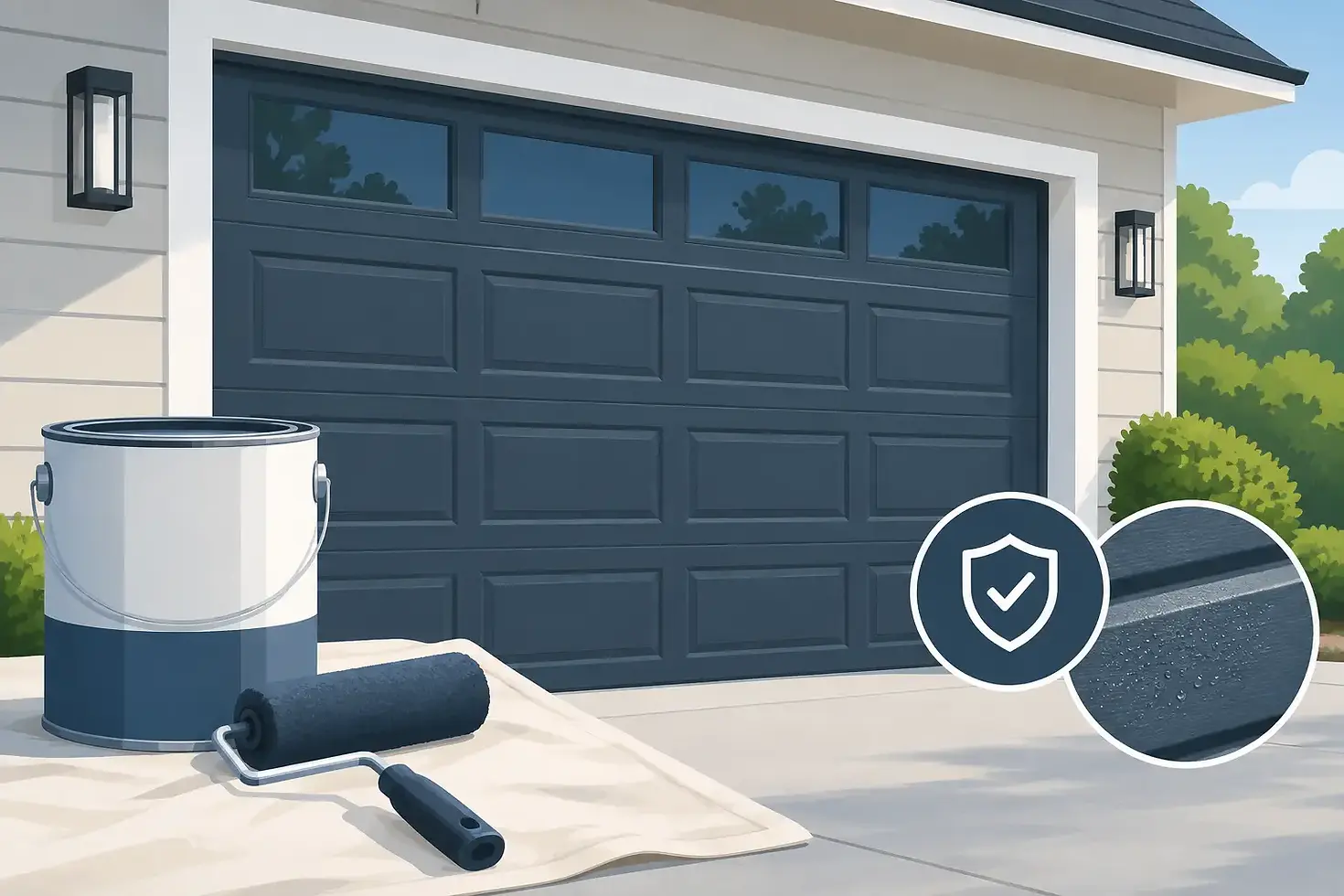
Best Paint for Garage Doors That Holds Up
A garage door can take up a surprising amount of your home's front exterior. When its finish fades, peels, or chalks, the entire property can look tired - even if the siding, walkways, and landscaping are well cared for. The best paint for garage doors is not simply the can with the most appealing color. It is the coating that fits the door material, stands up to New Jersey weather, and is applied over a properly prepared surface.
For a finish that looks clean and lasts, paint selection and preparation have to work together. A quality exterior coating cannot correct rust, loose old paint, trapped moisture, or a surface coated in road film and mildew. That attention to the details is what separates a short-lived improvement from work that preserves your home's appearance.
What Is the Best Paint for Garage Doors?
For most residential garage doors, a high-quality exterior acrylic latex paint with a satin or semi-gloss sheen is the dependable choice. It adheres well when the surface is properly primed, resists fading, and flexes better than older, harder coatings as temperatures change. Garage doors move, vibrate, and face direct sun, rain, and winter moisture. A flexible exterior paint is better suited to that cycle than a bargain interior product.
The right answer still depends on what the door is made of. Steel, wood, aluminum, fiberglass, and vinyl each have different preparation needs. The existing coating matters, too. If a door has been painted with an oil-based product, applying a water-based finish without the right bonding primer can lead to peeling. A careful inspection before painting avoids that expensive disappointment.
Steel garage doors
Painted steel doors are common throughout Hamilton and surrounding New Jersey neighborhoods. Look for an exterior acrylic latex paint rated for metal or multi-surface use. Satin is often the best balance: it gives the door a refined, washable appearance without highlighting every dent and ripple the way a high-gloss finish can.
Any rust must be addressed first. Scrape and sand loose material until the remaining edges are sound, then use a rust-inhibitive metal primer on bare spots. Painting over active corrosion only hides the problem briefly. Moisture will continue working beneath the new finish and eventually push it away from the metal.
Wood garage doors
Wood garage doors need a breathable, premium exterior paint system that protects against moisture while allowing the material's natural movement. An exterior acrylic latex paint is usually a strong choice, especially when paired with a compatible exterior wood primer. Bare wood, knots, weathered areas, and repairs deserve special attention because they absorb paint unevenly.
If the door has deep checking, softness, or widespread peeling, painting should wait until the underlying wood is repaired and fully dry. Paint is a protective finish, not a structural repair. Choosing a darker color can also increase heat exposure and movement in a sun-facing wood door, so color deserves practical consideration along with curb appeal.
Aluminum and fiberglass doors
Aluminum and fiberglass doors generally benefit from acrylic exterior paint, but clean adhesion is critical. These surfaces can be smooth and nonporous, making them less forgiving than weathered wood. A bonding primer designed for the specific material helps the finish grip properly.
Fiberglass doors that imitate wood grain require patience during application. Heavy brushing or rolling can fill the texture, while overly glossy paint can make the door look artificial. A satin finish applied in thin, even coats usually gives the most natural result.
Vinyl or plastic components
For vinyl-clad doors or doors with vinyl trim, use an exterior coating approved for vinyl and stay within the manufacturer's recommended color range. Very dark colors absorb more heat than light-colored vinyl was designed to handle. That can cause warping, distortion, or adhesion failure. When in doubt, choose a similar or lighter color than the existing finish.
Choose the Right Sheen and Color
Sheen affects both the appearance of the door and how forgiving it will be over time. Flat paint can conceal minor flaws, but it is usually harder to clean and may not offer the durability most garage doors need. High gloss is durable and easy to wash, yet it draws attention to every scratch, dent, and uneven repair.
For most homes, satin is the practical choice. It has enough sheen to shed dirt and look freshly maintained, but it remains more forgiving than gloss. Semi-gloss can work beautifully on a smooth, well-maintained door where a crisper architectural look is desired.
Color should relate to the home rather than compete with it. Matching the garage door to the siding creates a quieter, more blended facade. Selecting a color that coordinates with shutters, front-door trim, or masonry can create more definition. On homes exposed to strong afternoon sun, lighter colors are often easier on the door material and tend to show less heat-related stress over time.
Before committing, view sample colors outdoors at different times of day. Morning light, shade, and late-afternoon sun can change a color dramatically. A small painted test area is more reliable than a color chip viewed indoors.
Surface Preparation Decides How Long the Paint Lasts
A garage door should never be painted over dirt, oxidation, mildew, or failing paint. Preparation is not the glamorous part of the project, but it is where durability is won.
Start with a thorough cleaning appropriate for the door material. The surface needs to be free of salt residue, pollen, grease near handles, cobwebs, and airborne grime. In New Jersey, winter road treatment and humid summer conditions can leave contaminants that interfere with adhesion. Allow the door to dry completely before moving forward.
Next, scrape peeling paint and feather the edges with sanding so the new finish does not reveal a sharp ridge. Scuff glossy areas to give primer something to hold. Spot-prime bare metal, bare wood, repaired areas, and stains with the primer suited to the material. If the old paint is broadly failing, a full prime coat may be the wiser investment.
Do not overlook the bottom edge, panel joints, and areas around hardware. These are common places for moisture and wear to begin. Protecting them carefully can add meaningful life to the paint job.
Application Details That Make a Difference
Paint when temperatures and humidity are within the product's recommended range, with no rain expected during the drying window. Avoid painting a door in direct, intense sun if possible. Paint can dry too quickly on a hot surface, leaving lap marks, poor flow, or reduced adhesion.
A quality brush is useful for panel edges, trim, and recessed details. A small roller gives broad flat sections an even finish. Apply thin, consistent coats rather than trying to cover everything heavily in one pass. Two properly dried coats generally perform and look better than one thick coat.
Keep the door open between sections only when necessary, and avoid sealing weatherstripping or panel gaps with wet paint. Test the door after the coating has had appropriate drying time. A garage door is a moving exterior surface, so clean operation matters as much as its fresh appearance.
When a Garage Door Needs More Than Paint
Some doors should be repaired or evaluated before they are refinished. Significant rust-through, soft wood, delamination, failing seals, damaged panels, or repeated moisture intrusion can undermine even the best coating. Painting over these conditions may make the door look better for a season, but it will not resolve the source of the damage.
This is where experienced exterior surface care protects the larger investment. Deck Wrangler Power Washing and Painting Co. approaches painted exterior surfaces with the same craftsmanship-led standard used for decks, trim, and weathered outdoor areas: identify the material, prepare it carefully, and use a finish system that suits the conditions.
A garage door does more work than most painted surfaces on your home. Give it a coating selected for its material, a surface prepared with care, and enough drying time to perform well through every season.

Comments