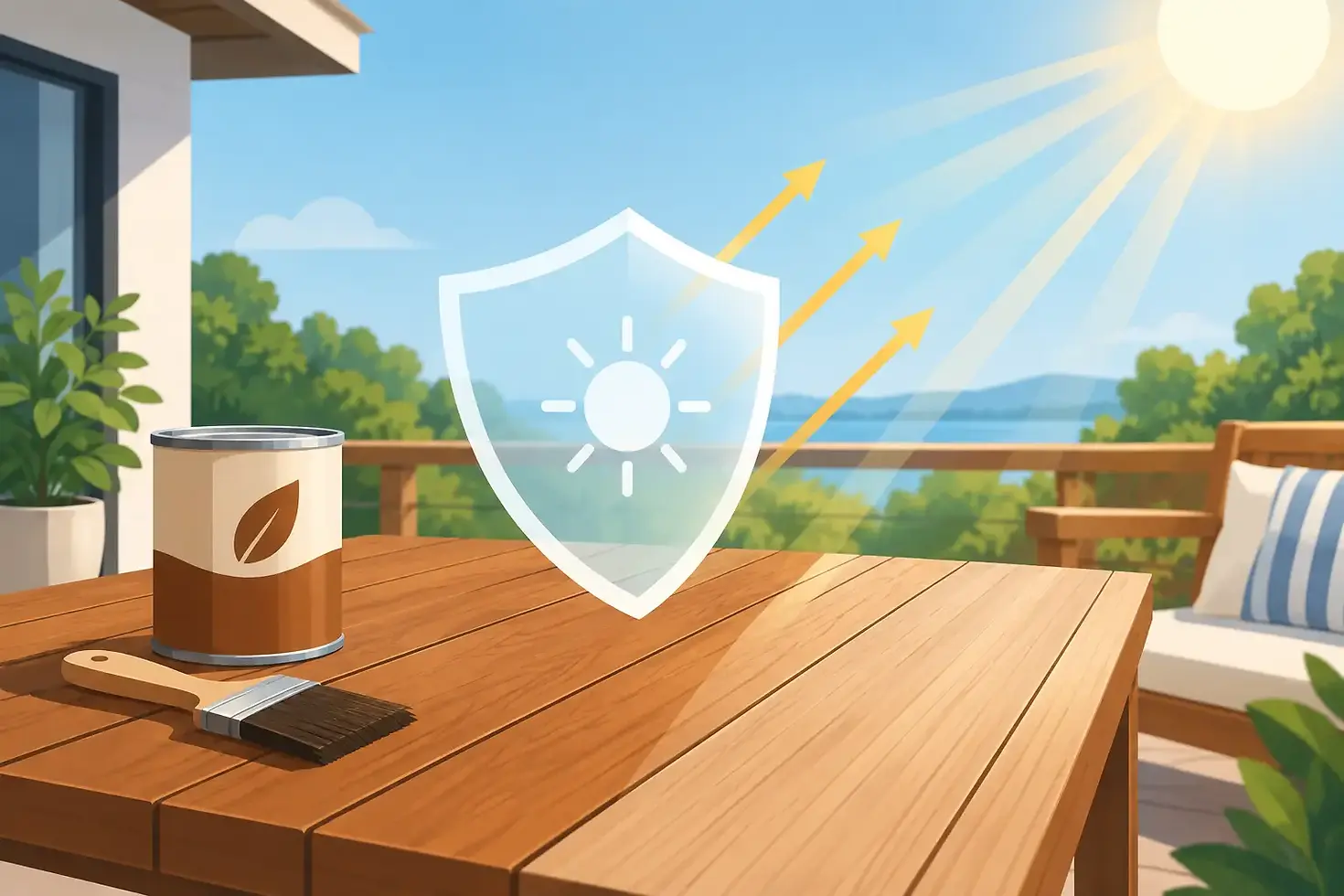
How to Protect Outdoor Wood From Sun Damage
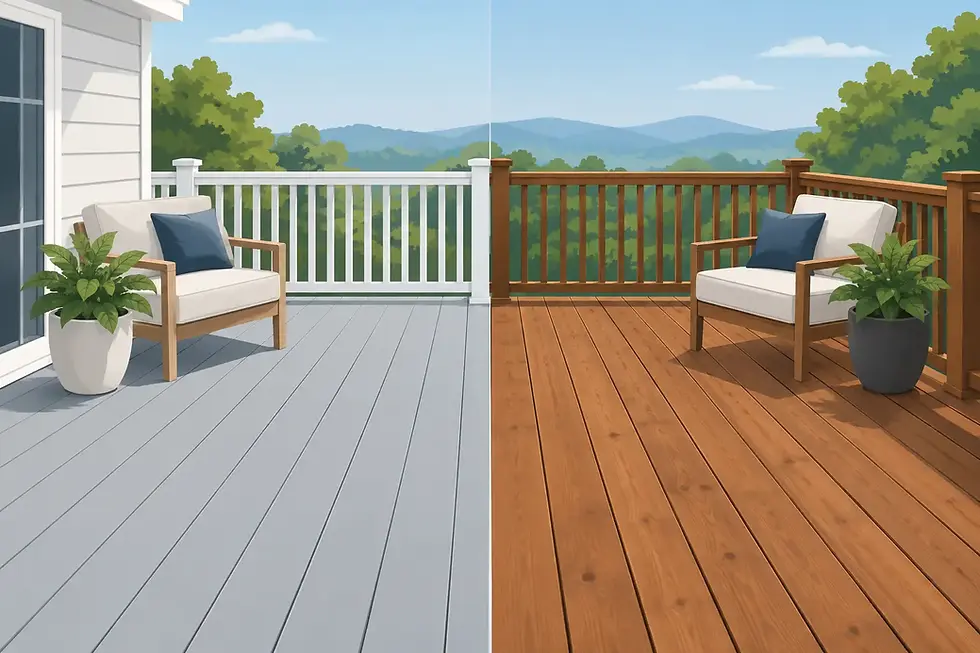
A deck can look tired long before the wood has reached the end of its useful life. In New Jersey, direct summer sun can bleach a rich wood tone to a dull gray, dry out exposed boards, and leave a once-polished outdoor space looking neglected. To protect outdoor wood from sun, homeowners need more than an occasional rinse or a fresh coat applied at random. The right preparation, protective finish, and maintenance schedule work together to preserve both the appearance and condition of the wood.
Sun damage is gradual, which makes it easy to overlook. By the time boards feel rough underfoot, color has faded unevenly, or water no longer beads on the surface, the protective layer has already worn away. Timely care keeps a small restoration need from becoming a larger repair project.
Why Sun Is Hard on Decks and Exterior Wood
Ultraviolet rays break down lignin, a natural component that helps hold wood fibers together. As that surface layer deteriorates, wood turns gray or silver, feels dry, and becomes more vulnerable to moisture. Heat adds another challenge. Boards expand and contract through hot afternoons, cool evenings, rain, and winter freeze-thaw cycles.
Sun alone does not usually cause a deck to fail. The greater concern is the cycle that follows: UV exposure weakens the surface, water enters more readily, and repeated wet-dry movement encourages checking, splitting, cupping, and loose fasteners. Railings, stairs, pergolas, fences, and trim often show this damage first because they receive steady direct exposure.
South-facing and west-facing surfaces deserve especially close attention. A deck shaded by mature trees may retain its color longer, but it can also stay damp and develop mildew. Every property has its own exposure pattern, so a good protection plan accounts for sunlight, drainage, tree cover, and the type of wood already in place.
Start With a Clean, Sound Surface
Protective coatings only perform as well as the surface beneath them. Dirt, pollen, mildew, old failing stain, and chalky wood fibers interfere with adhesion. Applying a new finish over those problems may improve the color briefly, but it will not provide dependable long-term protection.
Cleaning exterior wood takes more judgment than many homeowners expect. Too little cleaning leaves contaminants behind. Too much pressure can scar soft wood, raise the grain, and create visible wand marks that remain after staining. The goal is to remove buildup without damaging the surface that needs protection.
After cleaning, the wood needs adequate drying time before a stain, sealer, or paint system is applied. The exact waiting period depends on recent weather, humidity, shade, and wood moisture. A deck that looks dry at the surface may still hold moisture below. Rushing this stage can trap moisture and shorten the life of the finish.
Address Repairs Before Applying a Finish
A finish is not a repair for deteriorated wood. Before protecting the surface, inspect for loose boards, popped fasteners, soft spots, severe splitting, damaged railings, and areas where water collects. Replace boards that are structurally unsound rather than coating over them.
This is also the time to look at details that affect drainage. Planters placed directly on the deck, debris caught between boards, and clogged gaps along the house can hold moisture against the wood. Small corrections help a protective finish do its job.
Choose a Finish That Protects Outdoor Wood From Sun
The best product is not always the darkest stain or the thickest-looking coating. The right choice depends on the wood species, current condition, desired appearance, and amount of sun exposure.
A penetrating exterior stain is often a strong option for deck boards because it soaks into the wood rather than creating a heavy surface film. Quality semi-transparent and semi-solid stains can include pigments that help block UV rays while still allowing the character of the grain to show. More pigment generally means better sun protection, though it also means less visible wood grain.
Clear sealers can repel water, but they provide limited UV protection because they contain little or no pigment. They may be suitable when preserving a very natural look is the highest priority, but they usually require more frequent reapplication on sunny surfaces. A clear product is rarely the best choice for a deck that receives intense afternoon sun.
Paint provides strong coverage and can offer excellent protection on vertical woodwork such as railings, trim, siding, and certain older structures. It is not automatically the best choice for every walking surface. Paint applied to horizontal deck boards can peel if preparation, moisture control, and product selection are not handled carefully. For weathered deck boards, a professional assessment helps determine whether a penetrating stain, a solid-color stain, or a paint system makes the most sense.
Apply Protection With Care, Not Just Coverage
A beautiful finish depends on consistent coverage, but application is about more than making every board look wet. Edges, end grain, stair risers, rail caps, and the spaces around balusters often weather faster than broad open surfaces. These areas need deliberate attention because they are common entry points for moisture and early finish failure.
Work during suitable weather, following the product's temperature and rain guidelines. Avoid coating wood in harsh direct sun when the surface is excessively hot. A finish can dry too quickly, leaving lap marks, uneven penetration, or poor adhesion. It is equally risky to apply a coating when rain is expected before it has time to cure.
Thin, even coats are typically more dependable than heavy application. Excess product can sit on the surface, become tacky, and wear unevenly. The correct method varies by coating type, which is why reading product directions matters, but careful preparation remains the foundation of any good result.
Maintain the Finish Before It Fails
The most cost-effective deck care is preventive care. Instead of waiting for widespread peeling, deep gray weathering, or splintered boards, inspect exterior wood at the start of spring and again after the strongest summer weather. Look for fading in traffic lanes and exposed edges, water soaking in rather than beading, mildew growth, rough fibers, and small areas where the finish has worn away.
Gentle routine washing removes pollen, dirt, leaf tannins, and organic growth that can hold moisture against the surface. Keep leaves and debris off deck boards, especially during fall. Move outdoor rugs and furniture periodically so water and dirt do not remain trapped in one place.
Most sunny decks need maintenance more often than homeowners expect. Depending on exposure, product quality, and foot traffic, a transparent or semi-transparent stain may need attention every one to three years. Solid-color finishes can last longer, but they still need regular inspection. The calendar is helpful, but the condition of the wood should guide the decision.
Know When Professional Restoration Is the Better Choice
A homeowner can handle light cleaning and basic upkeep, but a deck with extensive fading, peeling coatings, deep mildew staining, or damaged boards deserves a closer evaluation. Improper pressure washing or a mismatched coating can create more work and expense than the original problem.
Experienced restoration work brings surface preparation, material knowledge, and a careful eye to the project. At Deck Wrangler Power Washing and Painting Co., 33 years of hands-on experience informs how exterior wood is cleaned, prepared, and protected for the conditions it faces. The aim is not simply to make a deck look freshly coated for a season, but to preserve the outdoor space with the attention it deserves.
Your deck is where summer meals, family gatherings, and quiet evenings happen. Giving the wood a timely layer of protection helps it remain a place you are proud to use, rather than another weathered surface waiting for repairs.

Comments