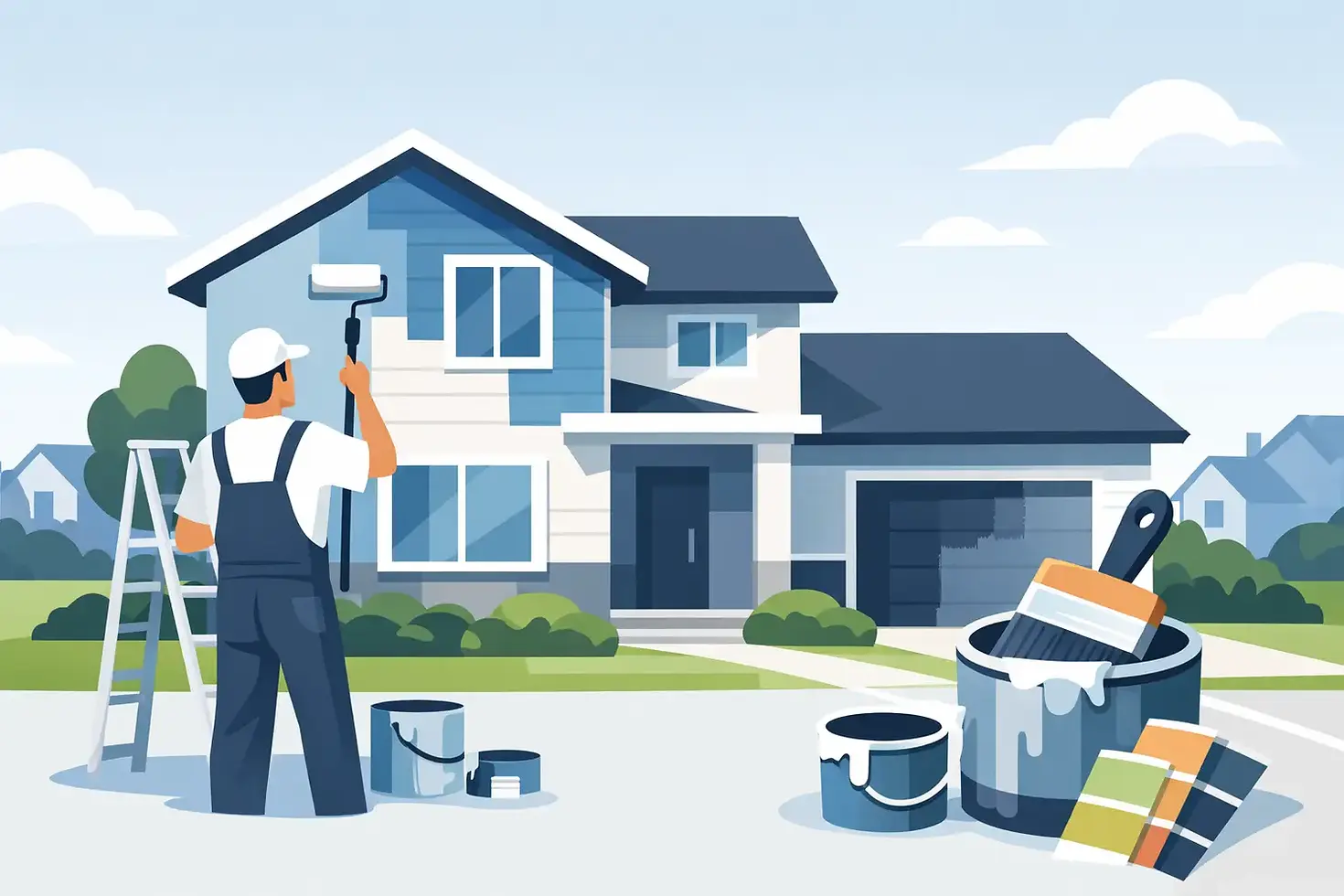
Residential Exterior Painting Services That Last
A fresh exterior paint job can make a Hamilton home feel renewed, but the real value is found long after the first impression. Quality residential exterior painting services protect the surfaces that stand between your home and New Jersey's rain, heat, humidity, freezing temperatures, and seasonal debris. The right work preserves curb appeal, but it also helps prevent small surface problems from becoming expensive repairs.
For homeowners who take pride in their property, exterior painting should not be treated as a quick color change. It is a careful restoration process. Paint performs well only when the surface beneath it is clean, sound, dry, and properly prepared.
Why Exterior Paint Is More Than a Cosmetic Finish
Exterior paint is a protective coating. On wood trim, siding, railings, shutters, porch structures, and other exposed surfaces, it helps limit moisture intrusion and shields material from direct sunlight. When paint begins to peel, crack, chalk, or fade, the home is telling you that its protective layer is wearing down.
That does not mean every faded area needs immediate repainting. Some surfaces can be cleaned and maintained, while others require scraping, repairs, priming, and a new finish. The right recommendation depends on the material, the previous coating, its condition, and how much weather exposure the area receives.
Wood features deserve particular attention. A small opening in failing paint can allow moisture into the wood, leading to swelling, soft spots, rot, and paint failure that spreads beyond the original area. Addressing worn finishes early is often a more sensible investment than waiting for visible damage to take hold.
Residential Exterior Painting Services Begin With Preparation
A lasting paint job is largely decided before the first finish coat is applied. Preparation may not be the most dramatic part of the project, but it is where skilled craftsmanship shows. Painting over dirt, mildew, loose paint, or damp wood can create a clean-looking result for a short time, then leave homeowners facing peeling and uneven wear far sooner than expected.
A proper evaluation begins with the condition of the property. The contractor should identify flaking paint, exposed wood, stained areas, damaged caulk lines, soft material, and surfaces affected by moisture or organic growth. This helps establish the true scope of work before colors and finish choices take center stage.
Cleaning is often the first hands-on step. Exterior surfaces collect pollen, dust, algae, mildew, spider webs, and airborne residue. Professional power washing, performed with the appropriate pressure and cleaning method for the surface, removes that buildup without needlessly damaging siding, trim, or woodwork. The goal is not simply to make a surface look clean. It is to create a sound foundation for the next stage of restoration.
After cleaning and adequate drying time, loose material is scraped and sanded. Gaps and joints may be caulked where appropriate, while deteriorated sections should be repaired rather than hidden beneath paint. Bare areas receive the primer suited to that material and the chosen topcoat. Only then is the surface ready for a durable, even finish.
The Cost of Skipping the Details
A low quote can be tempting when several exterior surfaces need attention. Still, homeowners should ask what the price includes. Does it account for washing, scraping, sanding, spot priming, caulking, and protection of landscaping and nearby surfaces? Or is it primarily a fast coat of paint applied over existing conditions?
There is no need to overcomplicate a painting project, but there is a clear difference between coverage and restoration. Careful preparation takes time because it is the work that supports adhesion, cleaner lines, and a finish that holds up through changing seasons.
Choosing the Right Time to Paint in New Jersey
Weather matters. Exterior coatings need conditions that allow them to dry and cure properly, which is why painting schedules are built around more than a convenient date on the calendar. Temperature, humidity, rain forecasts, overnight lows, direct sun, and the moisture content of the surface all affect the work.
Spring, summer, and early fall often provide suitable painting windows in central New Jersey, but each has trade-offs. Spring may bring frequent rain and heavy pollen. Summer offers longer working days but can create intense heat on sun-facing surfaces. Early fall can be excellent for painting, though shorter days and cooler nights require thoughtful scheduling.
A dependable contractor watches the forecast and adjusts the plan when needed. Waiting for the correct conditions is not a delay for its own sake. It protects the quality of the finish and helps avoid problems such as poor adhesion, flashing, blistering, or premature wear.
Color Decisions That Respect the Home
Color can change the character of a home, especially on shutters, entry doors, trim, porch railings, and exterior woodwork. Yet the best choice is not always the boldest sample in the store. A color should work with the roof, masonry, stone, neighboring homes, landscaping, and the amount of sunlight the facade receives.
Lighter colors can help a home feel open and traditional, while deeper colors create contrast and definition. Dark colors on trim or wood can look striking, but they may absorb more heat and can show fading or movement sooner on heavily exposed surfaces. For historic-looking homes and established neighborhoods, timeless colors often provide stronger long-term appeal than a short-lived trend.
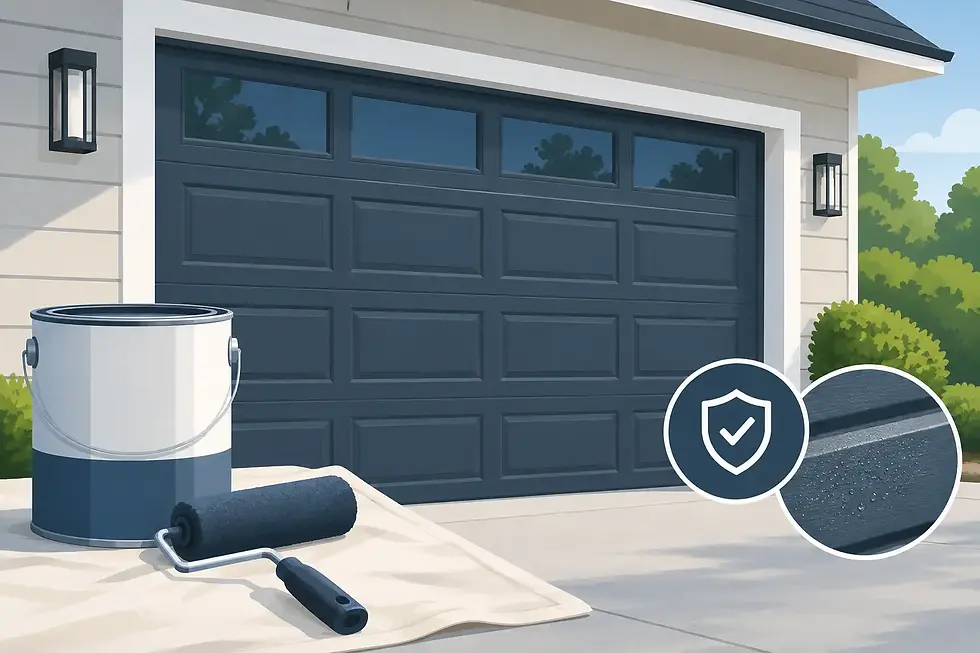
Finish selection also matters. Flat finishes can soften imperfections on broad siding, while satin or semi-gloss finishes are frequently used where a more washable, defined appearance is desired, such as trim and doors. The correct finish depends on the surface and the appearance you want to maintain.
What a Thoughtful Painting Estimate Should Clarify
A clear estimate gives homeowners confidence before work begins. It should describe the areas being painted, the level of surface preparation anticipated, needed repairs, the coating system, and the steps used to protect adjacent areas. If a deck, patio, fence, or exterior wood feature is nearby, the plan should account for how those surfaces will be treated and protected.
It is also helpful to discuss what cannot be known until preparation begins. Paint can conceal the early signs of wood deterioration, and some repairs only become visible once loose coating is removed. A professional approach does not ignore those possibilities. It explains them clearly and communicates with the homeowner before additional work moves forward.
The lowest estimate is not always the best value, and the highest estimate is not automatically the best craftsmanship. Look for a contractor who is specific, responsive, experienced with your surface type, and willing to explain the work in plain language. You are trusting someone with the visible face of your home, as well as the materials beneath it.
A Better Approach to Exterior Care
Exterior painting works best as part of a broader maintenance plan. Gutters that overflow, shrubs pressed against siding, damp shaded areas, and neglected deck surfaces can all contribute to staining and coating failure. Keeping surfaces clean and allowing them to dry properly extends the life of paint and makes future maintenance more manageable.
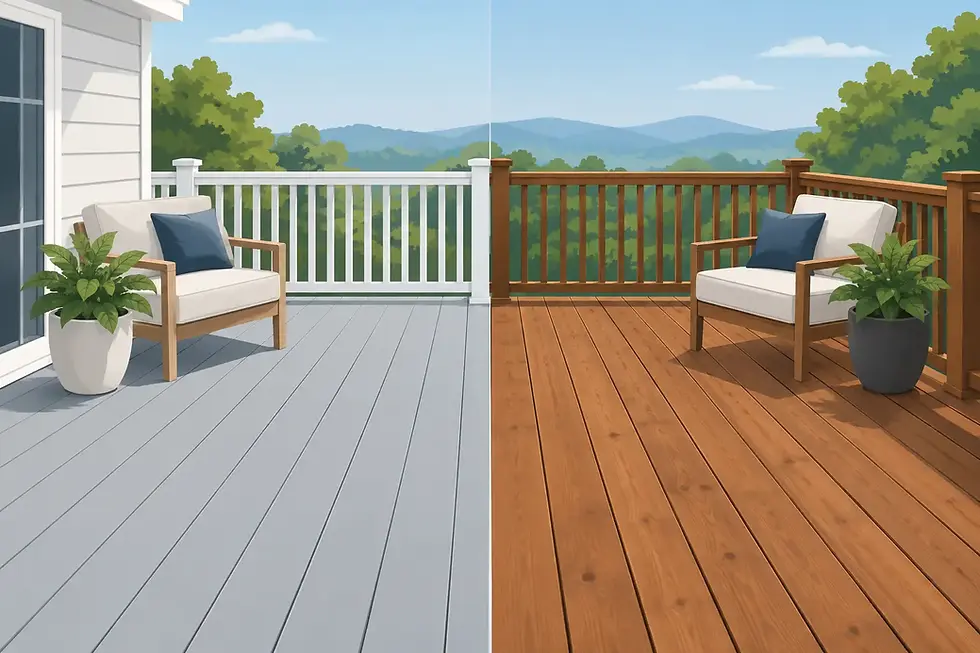
For homes with decks, railings, porches, and exterior wood details, coordinated care is especially valuable. These areas often weather differently from siding and trim because they receive foot traffic, standing water, direct sun, and more frequent contact. They may need cleaning, restoration, stain, sealant, or paint based on their construction and condition. One treatment does not fit every surface.
Deck Wrangler Power Washing and Painting Co. brings 33 years of hands-on skill and attention to detail to exterior care projects throughout the Hamilton area. That experience matters when assessing whether a surface needs a careful wash, a protective treatment, targeted repair, or a complete repainting plan.
Keep the Finish Working for Your Home
After painting, a little attention goes a long way. Walk around the home each spring and fall, looking for cracked caulk, peeling edges, mildew, water stains, and areas where branches or vines hold moisture against the surface. A prompt touch-up or cleaning can preserve the larger paint system and prevent a minor issue from spreading.
When your exterior begins to look tired, do not assume the answer is simply another coat of paint. Ask for an honest assessment of the surface, the preparation it needs, and the protection that will serve your home best. A carefully planned project can restore the pride you feel pulling into the driveway while helping your home weather the years ahead.

Comments